
Israel Attack Iran: Why US-Israel has attacked Iran now – explained in 5 points
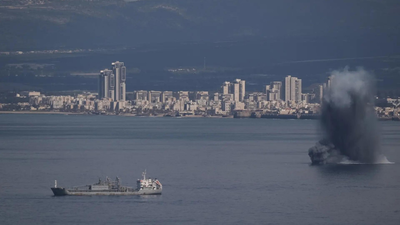
The United States and Israel launched coordinated strikes on Iran on Saturday in the most dramatic escalation in their long-running confrontation with Tehran. The recent offensive has pushed the region closer to a full-scale war. What began as months of mounting rhetoric, military build-up and stalled diplomacy has now tipped into open conflict, with air and sea attacks reported near Tehran and across Iran and retaliatory missile launches rippling through Israel and the Gulf.US President Donald Trump has framed the operation as the start of “major combat operations,” arguing that Iran’s nuclear and missile programmes pose an imminent threat not only to Israel, but to American forces, allies and eventually the US homeland. Israel, for its part, has described the strikes as a pre-emptive move against what it calls an existential danger, insisting that years of Iranian-backed proxy attacks and weapons development left it with little choice.
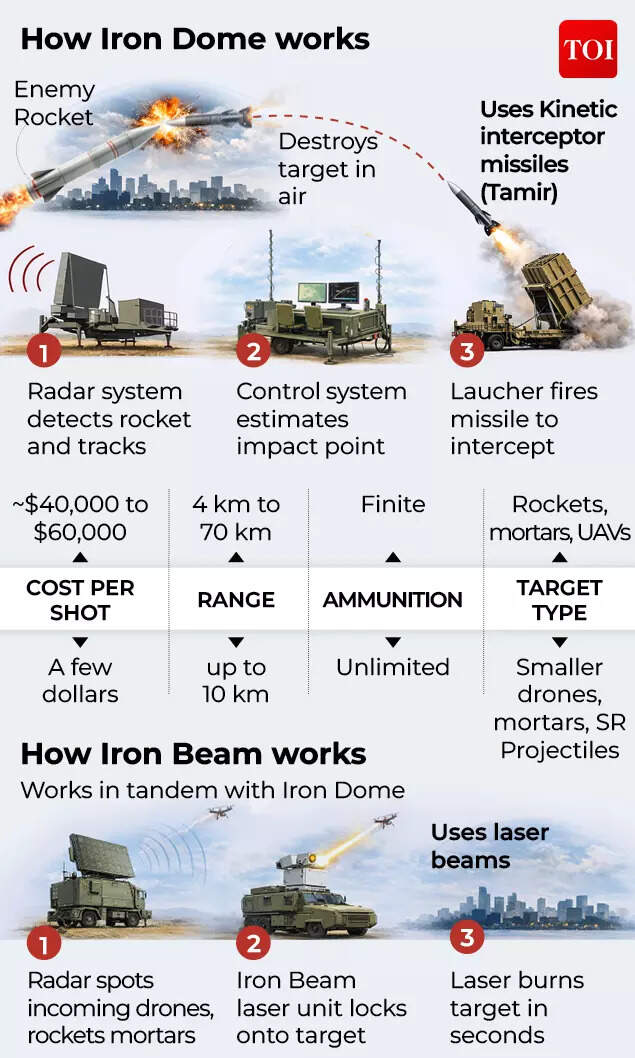
Iran has rejected the accusations, warning of a decisive response and portraying the assault as an act of aggression against its sovereignty. As airspace shuts across the Middle East, missiles are intercepted over the Gulf, and civilians shelter in Israel and Iran alike, the stakes have sharply risen. To understand why this moment arrived and what drove Washington and Tel Aviv to act together, here are five key factors behind the strikes.Here’s simple 5-point explainer of why the US and Israel attacked Iran:1. Prevent nuclear weapons development Both countries view Iran’s nuclear program and missile development as a direct threat that could give Tehran the ability to build weapons that reach regional or even global targets. This has been a longstanding concern and a major driver of military pressure.2. Eliminate “imminent threats” US President Donald Trump framed the strikes as necessary to stop Iran’s continued aggressive activities, including alleged plans to expand its missile arsenal.
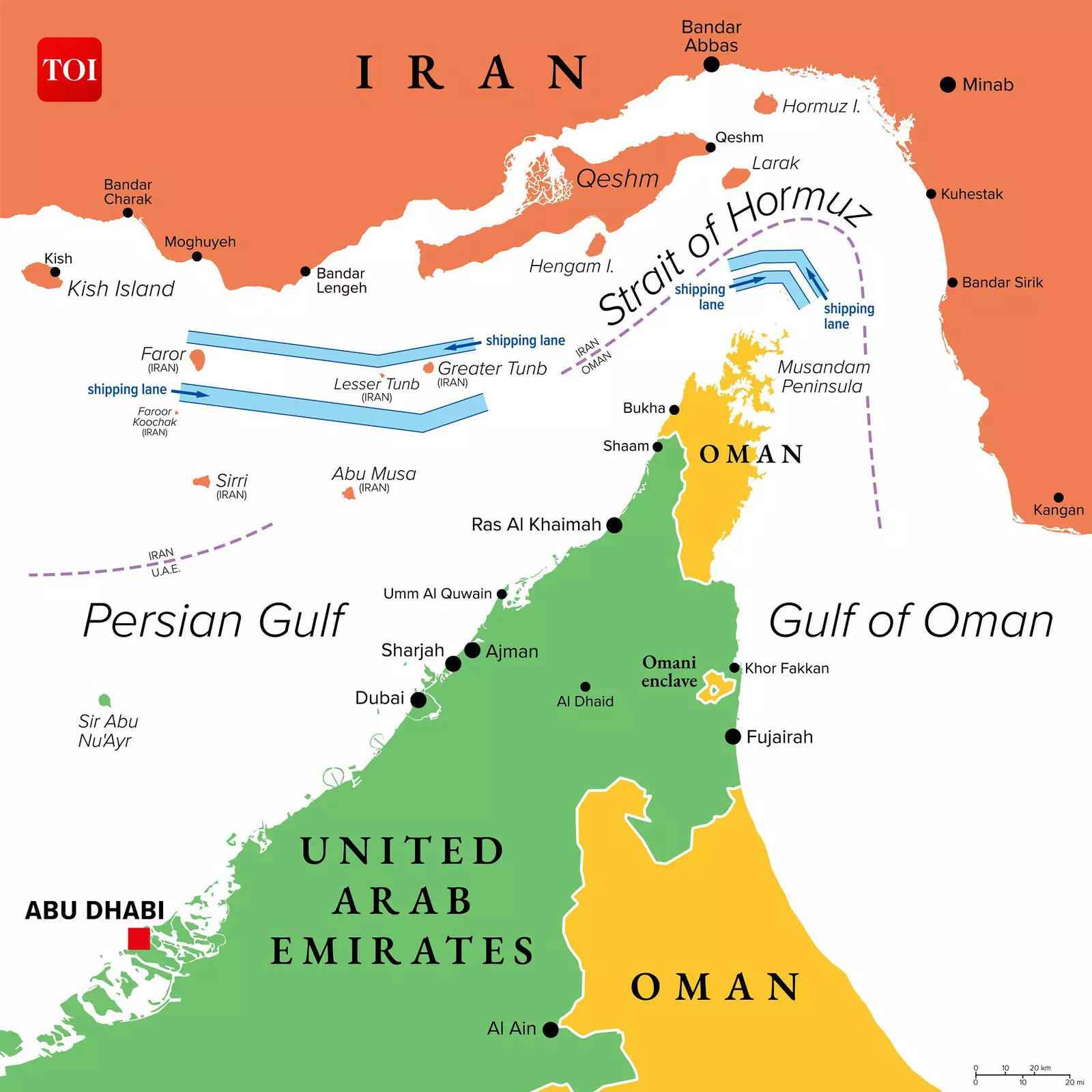
3. Respond to years of tension and proxy attacks The conflict is rooted in a long-running rivalry with Iran backing proxy militias across the Middle East, which have attacked Israeli and US interests repeatedly.4. Pre-emptive military strategy Israel has justified its actions as pre-emptive, aiming to disrupt Iran’s ability to build dangerous weapons before it becomes uncontrollable.5. Undermine the regime’s influence and push for change Alongside military goals, leaders have suggested strikes could weaken Tehran’s Khamenei regime and inspire internal resistance, linking security tactics with broader political aims.