US raises pressure on Khamenei regime, designates Iran ‘state sponsor of wrongful detention’
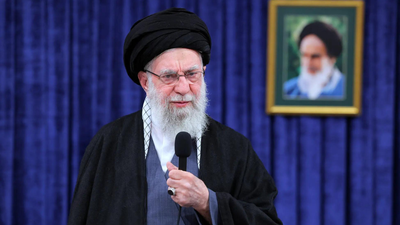
The United States has escalated pressure on Iran’s leadership, formally designating the country a “state sponsor of wrongful detention” as tensions mount over its nuclear programme. In a statement, Secretary of State Marco Rubio announced the move, accusing Tehran of using foreign nationals as political leverage. “For decades, Iran has continued to cruelly detain innocent Americans, as well as citizens of other nations, to use as political leverage against other states. This abhorrent practice must end,” he said.Rubio traced the practice back to the aftermath of the 1979 revolution, when Ayatollah Khomeini consolidated power and endorsed the hostage-taking of US embassy staff. The new designation follows an executive order issued last autumn by President Donald Trump aimed at protecting US nationals from wrongful detention abroad, as well as the Countering Wrongful Detention Act of 2025 passed by Congress.The State Department warned that if Iran does not change course, Washington could consider further steps, including potential geographic travel restrictions on the use of US passports to, through or from Iran. It reiterated its advice that no American should travel to Iran “for any reason” and urged those currently in the country to leave immediately.The designation comes as indirect nuclear talks between Washington and Tehran remain inconclusive. Speaking after the latest round in Geneva, Trump said he was “not happy” with the negotiations. “We’re not exactly happy with the way they’re negotiating. They cannot have nuclear weapons,” he told reporters, while acknowledging that military action always carries risk.Rubio is due to travel to Israel in the coming days to discuss Iran and other regional priorities, amid reports of increased US military deployments in the Middle East. A recent confidential report from the International Atomic Energy Agency said inspectors had not regained access to certain Iranian nuclear sites following strikes last year, raising fresh concerns about transparency.