Evaluating Ceraluminum Materials and Thin-and-Light Productivity Notebooks
The global personal computing ecosystem is experiencing a major manufacturing revolution this season. Because remote professionals require heavy computational power alongside lightweight hardware, engineering teams are completely rethinking chassis design. Specifically, major computer hardware brands are shifting away from standard heavy metal alloys. Instead, they are engineering ultra-resilient ceramic composites that offer long-term durability without adding bulk. Staying updated on these changing structural materials sits directly at the Top of the priority list for any modern digital worker looking to upgrade their mobile workstation safely.
In this dedicated mobile workstation review, we break down how the newest thin-and-light laptop operates under intense creative workloads. Furthermore, we analyze how next-generation thermal management layouts keep internal temperatures completely stable during continuous rendering tasks. If you want to see how these newly announced hardware builds compare with previous production lines, you can view our detailed [suspicious link removed] for deeper structural context. Now, let us examine the core material advancements leading the portable consumer market this month.
The ASUS Zenbook S 16 OLED: Ceraluminum Structures Meet Advanced Processing Cores
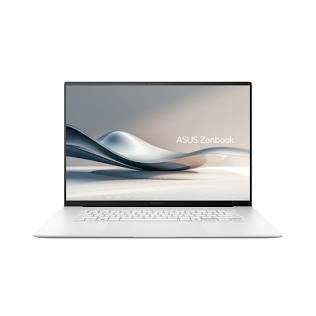
The most frequently discussed engineering milestone leading current premium laptop trends centers on the release of the updated ASUS Zenbook S 16 OLED. This high-end laptop targets creative professionals, software architects, and traveling executives who require absolute processing speed without carrying heavy carrying cases during multi-city travel.
In the Middle of refining this premium thin-and-light machine, product design groups prioritized structural rigidity. They successfully achieved this by building the outer lid using a specialized high-tech material called Ceraluminum—a unique blend that fuses aluminum with a scratch-resistant ceramic coating. Consequently, everyday business users can enjoy a highly durable matte finish that resists fingerprint stains and impacts completely.
The standout functional capabilities integrated into this ultra-thin machine include:
- 16-Inch 3K Lumina OLED Panel: A stunning high-resolution screen delivering deep contrast levels and perfect color accuracy for detailed video editing workflows.
- Next-Gen Neural Processing Unit: A dedicated hardware chip that manages heavy local generative automation and transcription workflows effortlessly.
- Ultra-Quiet Vapor Chamber Cooling: An advanced dual-fan thermal setup that exhausts hot internal air silently even during peak multitasking operations.
Additionally, the notebook includes a massive battery pack capable of supplying power for full working days on a single charge cycle. For exact data on physical panel durability metrics, you can visit the official ASUS Global Engineering Portal to view material strain reports. The laptop is currently available for purchase worldwide.
Hardware Efficiency Benchmarks: Comparing Next-Gen Mobile Workstations
While maintaining an ultra-slim frame makes a laptop exceptionally portable, keeping high-performance components cool remains critical for system longevity. To protect underlying hardware, production houses are implementing dual-outlet airflow tracks alongside optimized power management firmware.
A clear performance breakdown highlights why high-end system designers are incorporating ceramic materials alongside bright organic display layers:System Engineering MetricLegacy Ultra-Portable LaptopsNext-Gen ASUS Zenbook S 16 SetupChassis Material CompositionTraditional Standard Aluminum AlloysPremium Scratch-Resistant CeraluminumIntegrated Processing UnitStandard Central Processing HardwareAdvanced Neural Automation CoresDisplay Panel ArchitectureBasic Low-Contrast IPS Screen UnitsImmersive 3K Fluid Lumina OLED ModulesAcoustic Operating NoiseLoud High-RPM Thermal Cooling FansSilent Low-Profile Vapor Chamber Networks
According to independent laboratory testing data, applying these updated thermal dissipation networks blocks processing slow-downs completely. This engineering progress guarantees that creative programs run at stable rendering speeds during extended video production cycles. As a result, digital media workers can execute resource-heavy tasks smoothly while safeguarding their long-term hardware investment.
Ecosystem Synergy: Designing Fluid Multi-Screen Corporate Networks
To ensure that professionals benefit fully from these advanced mobile computers, operating system developers are building shared network ecosystems. For instance, modern office environments are utilizing highly responsive wireless channels. These pathways allow lightweight notebooks, smart display monitors, and smartphones to interact with zero configuration lag.
Major business groups have started deploying unified software platforms. These systems sync device battery metrics and clipboard contents across surrounding hardware setups automatically. By tracking local device positions in real time, these platforms allow an employee to move an active video timeline from a laptop screen to an external studio monitor instantly. Thus, rendering work continues without manual file conversions.
Simultaneously, manufacturing facilities are incorporating smart automated sharing protocols. Under this setup, primary computers optimize the data processing pathways of surrounding mobile devices. Therefore, this dynamic load balancing allows lightweight accessories to execute intense tasks locally by drawing on the computational strength of a nearby main workstation.
Final Conclusion: Embracing Material Innovation in High-End Computing Platforms
As we bring this extensive mobile hardware breakdown to a Bottom, the overall developmental trajectory of the laptop industry is completely unmistakable. The continuous arrival of new models demonstrates clearly that real daily utility relies on a balanced relationship between lightweight space-age materials and quiet thermal engineering.