Augmented Reality Spatial Computing: 7 Best Ways to Work Beyond Flat Screens Today
 Augmented Reality Spatial Computing
Table of Contents
- Why Digital Screens Are Moving into Physical Spaces
- 3 Major Operational Uses for Modern Workspaces
- Hands-Free Factory Repairs
- Interactive 3D Architectural Design
- Next-Generation Classroom Learning
- Conclusion: Stepping Beyond Flat Glass Screens
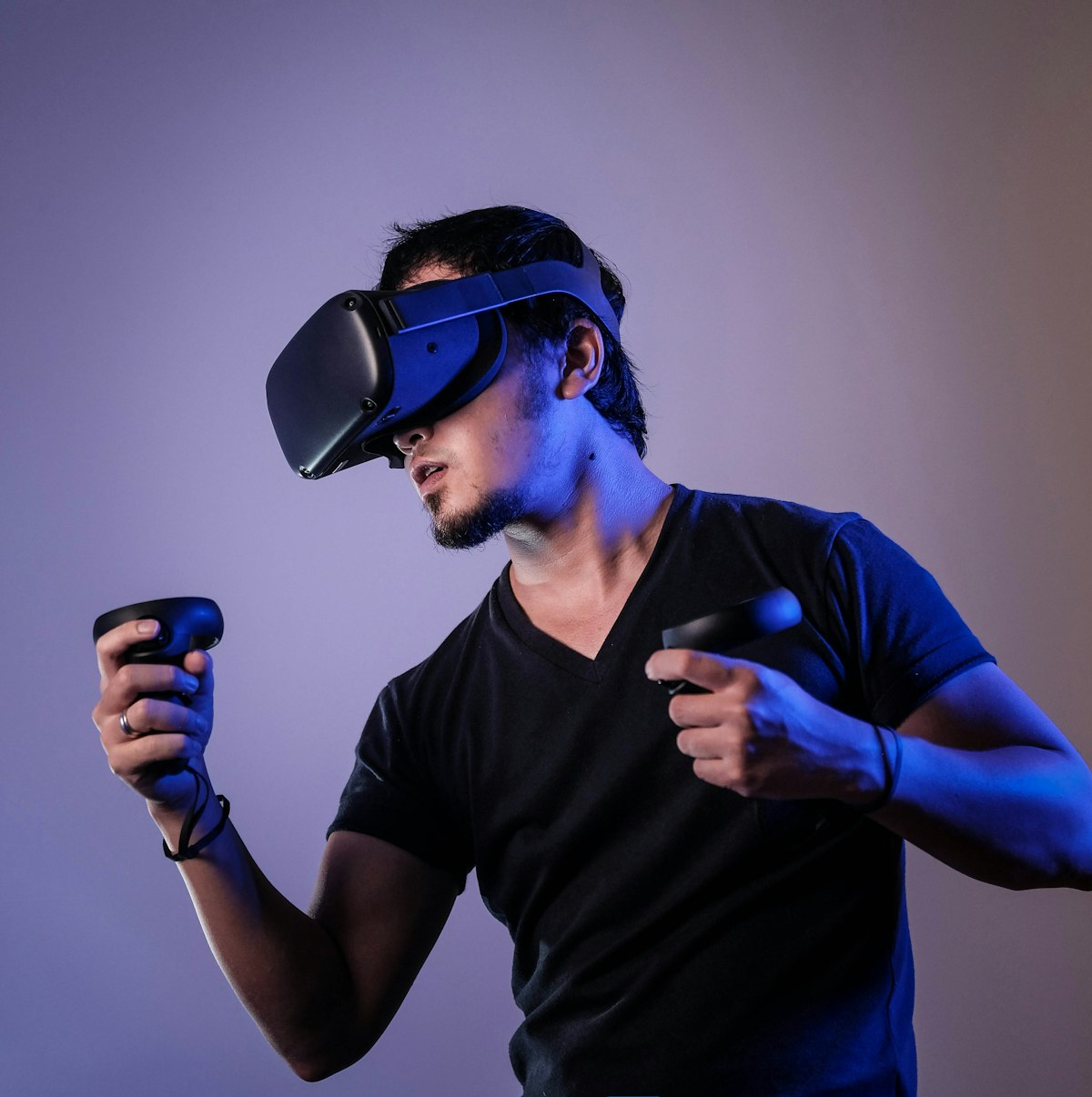
Augmented reality spatial computing is changing how people interact with digital information at home and at work. For decades, human beings have been forced to look down at flat glass screens on smartphones, laptops, and tablets to read text or view images. While flat screens are useful, they separate digital files from the physical room around you. To break free from these physical bounds, lightweight smart glasses and spatial sensors place digital screens, 3D models, and instruction manuals directly onto physical desk spaces and walls.
This design shift allows you to place virtual computer monitors anywhere in your room without buying extra hardware. By anchoring digital graphics directly onto real-world objects, workers can solve complex tasks much faster and with fewer mistakes.
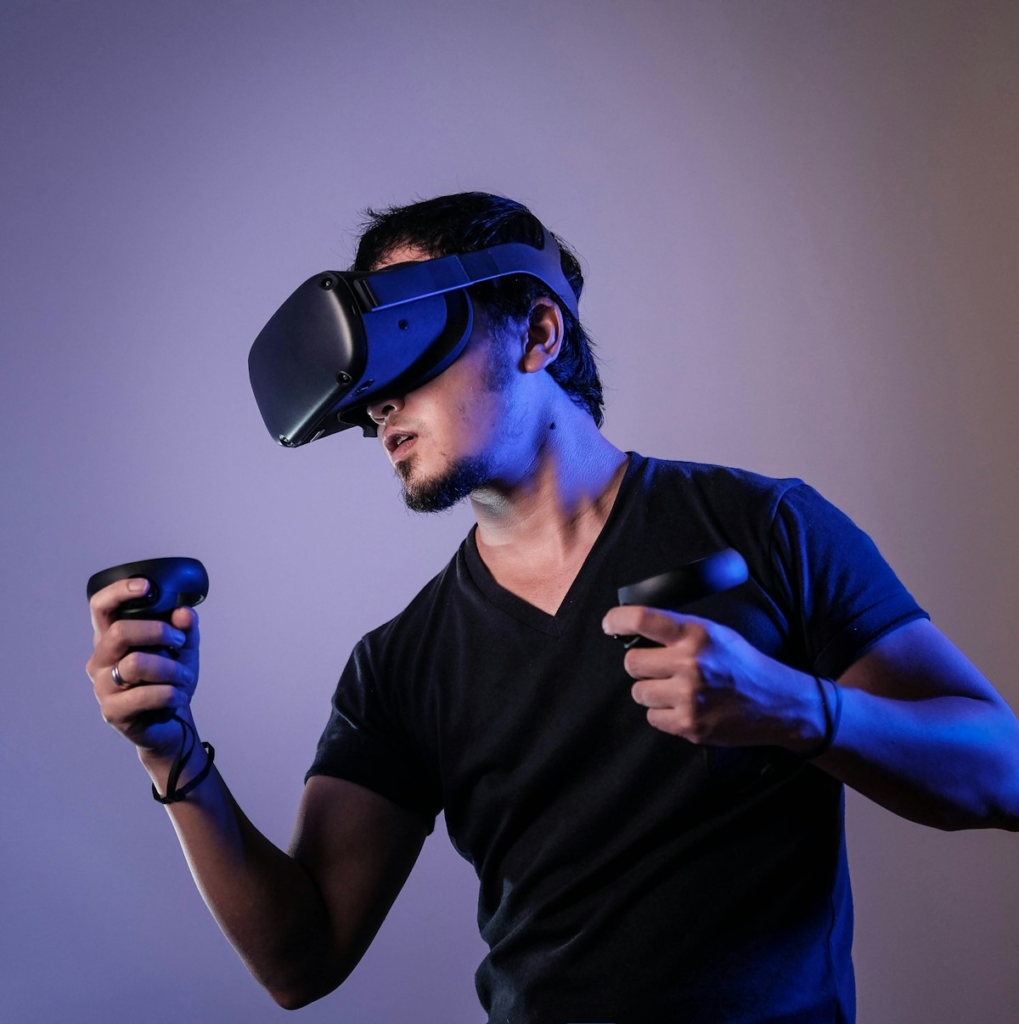
Why Digital Screens Are Moving into Physical Spaces
Imagine walking up to a broken home appliance, like a washing machine. Instead of reading a confusing paper manual or looking down at a small smartphone screen, you put on clear glasses. Digital arrows show up right on the washing machine, highlighting the exact screw you need to turn.
That is the power of augmented reality spatial computing. The computer uses cameras and depth sensors to map out the furniture, walls, and objects in your room so digital items stay locked in place even when you walk around them.
Bringing digital objects into physical spaces unlocks major advantages:
- Hands-Free Productivity: You can view technical instructions while keeping both hands free to hold tools.
- Infinite Virtual Desktops: Spread out ten giant computer monitors around your office without buying physical screens.
- True 3D Visualization: See full-sized furniture or car models right inside your living room before making a purchase.
Replacing flat screens with physical spatial layouts makes complex tasks easy for anyone to understand. You can explore more tips on setting up remote workspace tools in our Internal Link: Master Guide to Virtual Workplace Tools.
3 Major Operational Uses for Modern Workspaces
Moving from flat screens to physical room overlays requires advanced spatial tracking engines. Companies focus on three main operational applications when adopting augmented reality spatial computing for their teams.
1. Hands-Free Factory Repairs
First, industrial technicians use spatial headsets to view live machine data layered right over factory equipment. Remote engineers can draw bright red circles on physical valves from miles away, guiding field workers through tricky repairs safely.
2. Interactive 3D Architectural Design
Second, architects no longer need to print flat paper blueprints or view small 3D models on computer monitors. Instead, entire construction teams can step inside a life-sized virtual model of a building before construction even begins, spotting structural flaws early. To read up on spatial standards, check out the official OpenUSD 3D Standard Project page (External DoFollow Link).
3. Next-Generation Classroom Learning
Third, medical students can inspect floating, life-sized 3D models of human organs from all angles. Being able to walk around complex biological structures helps students grasp difficult anatomy concepts far faster than reading textbook diagrams.
Adopting spatial interfaces lowers training costs and helps workers finish tasks accurately on their first try.
Conclusion: Stepping Beyond Flat Glass Screens
As smart glasses grow lighter and display lenses become clearer, flat computer monitors will gradually disappear. Placing digital tools directly into physical environments makes everyday computing feel completely natural. Ultimately, embracing augmented reality spatial computing is the best way to upgrade how your business learns, builds, and collaborates.