
Tracking Handheld Optical Stabilization Hardware
The international consumer content creation landscape is moving through an exceptionally fast-paced transformation loop this quarter. Daily travel vlogging tasks require ultra-smooth, pocketable recording hardware. Because of this content trend, hardware engineering teams are completely overhauling miniature camera frameworks.
Prominent camera designers are shifting away from massive, heavy studio rig setups. Instead, companies are rolling out highly advanced handheld gimbal cameras. These devices project massive software-stabilized frame windows directly before a creator’s eyes.
Keeping a close watch on these portable accessory releases stands right at the Top of the priority list for digital vloggers. Because premium component prices remain highly competitive, active buyers follow these changes closely. They want to find which setups optimize their daily video production workflows easily.
Miniature Mechanical Gimbal Enclosures
In this deep-dive hardware breakdown, we analyze the newest high-performance pocket cameras entering the global retail space. We examine how these modern optical engines operate smoothly behind the scenes. They record rich media files without causing system lag.
If you want to check out how these upcoming models compare with older product generations, you can visit our comprehensive [suspicious link removed] for complete technical context. Now, let us take a closer look at the primary structural enhancements leading the consumer technology space this week.
The DJI Osmo Pocket 4 Architecture
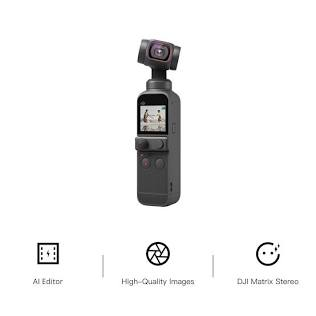
The most frequently discussed engineering breakthrough across recent waves of smart tech innovations centers on DJI’s latest pro-tier recording kit. The brand recently announced the global release of its highly anticipated Osmo Pocket 4 gimbal camera.
This distinct device targets active remote programmers, content editors, and digital creators. These users require immense sensor space alongside private viewing boundaries during busy travel schedules.
Three-Axis Mechanical Gimbals Meet Native Sound Isolation
In the Middle of engineering this productivity-focused optical setup, development teams focused heavily on maximizing long-term recording stability. For this reason, engineers embedded highly responsive mechanical stabilization joints directly into the lightweight structural handle.
Additionally, they integrated an advanced voice zoom amplification matrix. This setup works alongside custom dual-pixel focus sensors perfectly. Consequently, users can monitor sprawling action projects or long video sequences for extended hours without facing blur defects.
The standout functional specifications built into this new display system include:
- Three-Axis Active Mechanical Stabilizers: An advanced robotic joint system cushions an expansive high-definition imaging sensor seamlessly inside your field of view.
- Six Built-In Premium Film Tones: High-performance internal look-up tables ensure perfectly smooth color grading and fluid video playback metrics.
- Acoustic Voice Zoom Amplification:固定 Customized internal microphone software projects rich vocal sounds directly to your memory card while blocking surrounding noise leakage.
Additionally, the handles support immediate plug-and-play connectivity with modern smartphones and laptops. This design ensures rapid file transfer speeds during mobile work sessions. For a deeper look at industry visual comfort standards, you can check out the official DJI Optical Engineering Benchmarks to see how these optical targets operate. The product hits retail counters early next month.
Comparing Static Action Cams with Mechanical Gimbals
Deploying an expansive mechanical gimbal provides incredible operational convenience. However, managing overall device weight remains critical for daily travel buyers. To protect user comfort over extended usage cycles, manufacturing teams are incorporating durable polycarbonate alloys alongside flexible rubberized handle grips.
A side-by-side performance review highlights exactly why accessory designers are shifting toward mechanical gimbal housings on modern recording gear:
Imaging Engineering MetricTraditional Static Action Camera BuildsNext-Gen DJI Osmo Pocket 4 HandlePhysical Stabilization PathDigital Software Cropping LimitationsActive Mechanical Three-Axis Physical GimbalAcoustic Focus Zoom RangeFixed Omnidirectional Sound CaptureSprawling Algorithmic Targeted Voice ZoomImaging Panel ArchitectureStandard Small-Scale Sensor ModulesPremium High-Efficiency One-Inch Sensor LayersInterface Tracking ResponseStandard Basic Target Locking BaselinesFluid AI-Driven Subject Tracking Frameworks
According to independent technology laboratory evaluations, adopting these updated wearable display modules allows users to deploy multi-monitor stations instantly anywhere. This structural progress completely removes the need to carry heavy external monitors while traveling. Consequently, modern professionals can maintain a completely focused daily workflow while keeping their physical gear footprint down to an absolute minimum.
Ecosystem Synergy and Wireless Studio Networks
To ensure that digital workers benefit fully from these advancements, operating system developers are building shared communication networks. For example, modern office environments utilize highly responsive wireless channels. These pathways allow smart eyewear, portable laptops, and desktop workstations to interact with zero configuration lag.
Major business groups are deploying unified software platforms right now. These systems sync device battery metrics and configuration profiles across surrounding hardware setups automatically.
By tracking local device positions in real time, these platforms allow an employee to transfer an active window layout from a glasses screen to a main laptop terminal instantly. Thus, document editing continues without manual file conversions.
At the same time, manufacturing facilities incorporate smart automated sharing protocols. Under this setup, primary computers optimize the data processing pathways of surrounding mobile accessories. Therefore, this dynamic load balancing allows lightweight glasses frames to execute intense spatial alignment calculations locally. The system draws directly on the computational strength of a nearby main workstation.
Final Conclusion: Reclaiming Content Creation Productivity
As we bring this extensive consumer hardware breakdown to a Bottom, the overall developmental trajectory of the consumer market is completely unmistakable. The continuous arrival of new gear demonstrates clearly that real daily efficiency relies on a harmonious relationship between interactive hardware builds and smart, analytical software environments.
Whether your personal setup uses multi-device software networks or dedicated standalone productivity tools, picking components that sync together smoothly is highly beneficial. If you want to check how these modern virtual layouts compare with older display configurations, be sure to read our detailed [suspicious link removed]. Ultimately, investing in a secure, well-integrated display platform will keep your daily workflows moving at maximum speeds in this highly connected digital era!