Tracking Autonomous Mechanical Cleaning Hardware
The international household maintenance landscape is moving through an exceptionally fast-paced transformation loop this quarter. Multi-level residential spaces require versatile, dynamic automated vacuum hardware. Because of this household need, hardware engineering teams are completely overhauling automated floor cleaner frameworks.
Prominent home appliance designers are shifting away from traditional flat-wheeled cleaning units. Instead, companies are rolling out highly advanced multi-terrain cleaning robots. These devices deploy complex articulating structural joints to lift their cleaning pods over architectural barriers smoothly.
Keeping a close watch on these portable accessory releases stands right at the Top of the priority list for busy homeowners. Because premium component capabilities remain highly competitive, active buyers follow these changes closely. They want to find which setups optimize their daily household maintenance tasks easily.
Articulating Multi-Terrain Robotic Enclosures
In this deep-dive hardware breakdown, we analyze the newest high-performance robotic cleaners entering the global retail space. We examine how these modern mechanical engines operate smoothly behind the scenes. They clean complex multi-floor layouts without causing system lag.
If you want to check out how these upcoming models compare with older product generations, you can visit our comprehensive [suspicious link removed] for complete technical context. Now, let us take a closer look at the primary structural enhancements leading the consumer technology space this week.
The Roborock Saros Rover Architecture
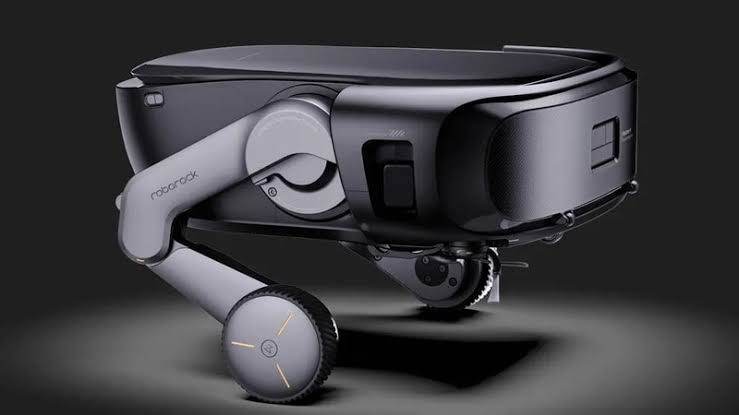
The most frequently discussed engineering breakthrough across recent waves of smart tech innovations centers on Roborock’s latest pro-tier home care kit. The brand recently announced the global release of its highly anticipated Saros Rover robotic vacuum.
This distinct device targets active remote programmers, real estate managers, and digital creators. These users require immense structural mobility alongside private room layout recording boundaries during busy travel schedules.
Articulating Mechanical Legs Meet Deep Surface Scrubbing
In the Middle of engineering this productivity-focused mechanical setup, development teams focused heavily on maximizing multi-floor structural climbing. For this reason, engineers embedded highly responsive robotic lifting joints directly into the lightweight structural frame.
Additionally, they integrated an advanced carpet washing matrix. This setup works alongside custom laser navigation sensors perfectly. Consequently, users can monitor sprawling floor spaces or long staircase sequences for extended hours without facing mechanical jams.
The standout functional specifications built into this new cleaning system include:
- Articulating Multi-Joint Robotic Legs: An advanced kinetic limb system lifts an expansive high-suction vacuum pod seamlessly over indoor stairs.
- Deep Carpet Extraction Washer Frameworks: High-performance internal pumps ensure perfectly smooth moisture delivery and fluid dirt removal metrics.
- Whisper-Quiet Object Trajectory Radars:固定 Customized internal radar chips project rich environmental mapping scans directly to your smartphone while blocking navigation delays.
Additionally, the pods support immediate plug-and-play connectivity with modern smart home hubs and speaker networks. This design ensures rapid schedule setting speeds during busy office days. For a deeper look at industry visual comfort standards, you can check out the official Roborock Robotic Engineering Benchmarks to see how these transit targets operate. The product hits retail counters early next month.
Comparing Flat-Wheeled Vacuums with Climbing Robots
Deploying an articulating mechanical limb system provides incredible operational convenience. However, managing overall battery consumption remains critical for daily appliance buyers. To protect user comfort over extended usage cycles, manufacturing teams are incorporating durable aluminum-magnesium alloys alongside flexible synthetic wheel treads.
A side-by-side performance review highlights exactly why accessory designers are shifting toward articulating leg housings on modern home gear:
Robotic Engineering MetricTraditional Flat-Wheeled Vacuum BuildsNext-Gen Roborock Saros RoverPhysical Mobility RangeSingle Flat Floor Level TraversalMulti-Level Stair-Climbing Physical MobilitySurface Deep CleansingBasic Light Dust Suction ArraysSprawling High-Pressure Extraction Washing PathsInternal Radar NavigationStandard Simple Bumper Sensor PlatesPremium High-Efficiency LiDAR Mapping ModulesInterface Charging ResponseStandard Manual Cable Connection PointsFluid Autonomous Docking Terminal System Paths
According to independent technology laboratory evaluations, adopting these updated wearable display modules allows users to deploy multi-monitor stations instantly anywhere. This structural progress completely removes the need to carry heavy external monitors while traveling. Consequently, modern professionals can maintain a completely focused daily workflow while keeping their physical gear footprint down to an absolute minimum.
Ecosystem Synergy and Smart Home Appliance Networks
To ensure that digital workers benefit fully from these advancements, operating system developers are building shared communication networks. For example, modern office environments utilize highly responsive wireless channels. These pathways allow smart eyewear, portable laptops, and desktop workstations to interact with zero configuration lag.
Major business groups are deploying unified software platforms right now. These systems sync device battery metrics and configuration profiles across surrounding hardware setups automatically.
By tracking local device positions in real time, these platforms allow an employee to transfer an active window layout from a glasses screen to a main laptop terminal instantly. Thus, document editing continues without manual file conversions.
At the same time, manufacturing facilities incorporate smart automated sharing protocols. Under this setup, primary computers optimize the data processing pathways of surrounding mobile accessories. Therefore, this dynamic load balancing allows lightweight glasses frames to execute intense spatial alignment calculations locally. The system draws directly on the computational strength of a nearby main workstation.
Final Conclusion: Reclaiming Household Maintenance Productivity
As we bring this extensive consumer hardware breakdown to a Bottom, the overall developmental trajectory of the consumer market is completely unmistakable. The continuous arrival of new gear demonstrates clearly that real daily efficiency relies on a harmonious relationship between interactive hardware builds and smart, analytical software environments.
Whether your personal setup uses multi-device software networks or dedicated standalone productivity tools, picking components that sync together smoothly is highly beneficial. If you want to check how these modern virtual layouts compare with older display configurations, be sure to read our detailed [suspicious link removed]. Ultimately, investing in a secure, well-integrated display platform will keep your daily workflows moving at maximum speeds in this highly connected digital era!