
Autonomous Execution: Implementing Agentic AI Workflows for Business Growth
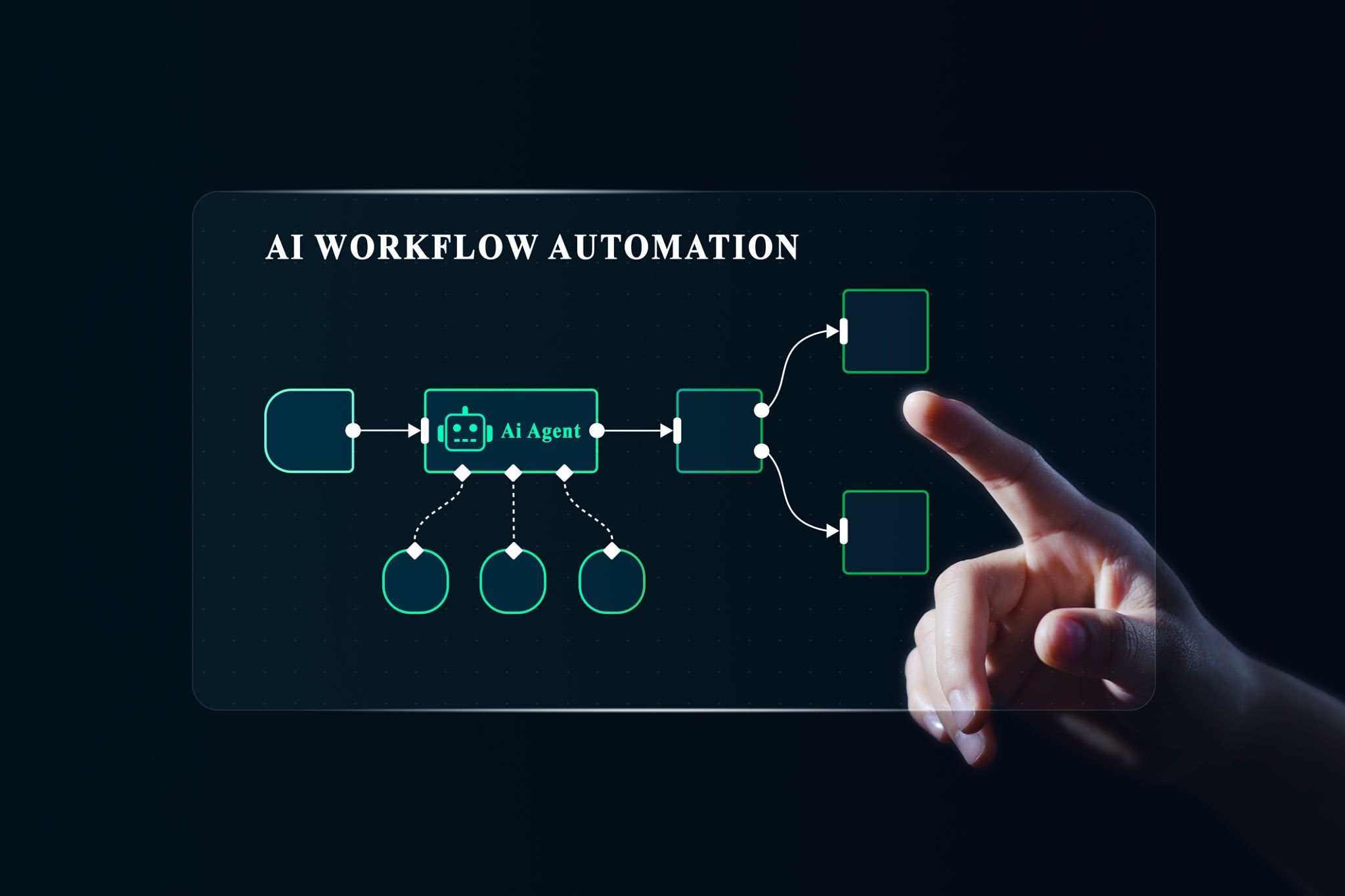
The corporate world is rapidly moving past the phase of basic conversational chatbots. Over the past few years, enterprise automation focused on simple input-output loops where humans manually prompted a model, checked the text draft, and manually pasted it into another application. This manual back-and-forth created a noticeable operational bottleneck.
The modern solution to this friction is the integration of agentic ai workflows for business—autonomous digital systems that independently analyze objectives, build action plans, interact with external applications, and execute complex workflows without constant human direction.
The Structural Shift to Self-Directed Execution
Integrating autonomous frameworks requires a fundamental change in how we view software capability. Traditional automation relies on strict, hard-coded rules: if an event happens, do a single specific action. If any unexpected variable changes, the entire system crashes until an engineer fixes it.
Agentic systems use advanced language models as central reasoning engines. When you give an agent an overall business goal, it does not wait for step-by-step commands. Instead, it breaks down the macro objective into smaller tasks, evaluates the resources needed, connects with external APIs, and independently navigates the entire process from start to finish.
This capability is transforming heavy backend business workflows. For example, in an export-import operation, a single agent can monitor international shipping updates, verify customs documentation against a local database, adjust product tracking sheets, and automatically notify distribution hubs about potential logistics delays. The system operates continuously, managing complex processes smoothly while human teams focus entirely on high-level business strategy.
Building an Enterprise Multi-Agent Assembly Line
Successfully deploying autonomous agents within a company requires a systematic approach to system design. Rather than relying on one massive AI model to handle everything, modern infrastructure uses networks of smaller, specialized agents that collaborate seamlessly:
[ Objective Received ]
         │
         ▼
┌────────────────────────────────┐
│   Strategic Planner Agent     │ ──► Creates the step-by-step roadmaps
└────────────────────────────────┘
         │
         ▼
┌────────────────────────────────┐
│   Data Gathering Agent        │ ──► Pulls live metrics from company databases
└────────────────────────────────┘
         │
         ▼
┌────────────────────────────────┐
│   Execution & Code Agent      │ ──► Runs scripts & pushes updates to APIs
└────────────────────────────────┘
         │
         ▼
[ Human Approval Milestone ] ──► Final validation before external launch
This modular structure ensures high precision. Each digital unit operates within clear, predefined guardrails, using dedicated toolsets to complete specific tasks efficiently. If an agent hits an error while connecting with an external software platform, it analyzes the error message and rewrites its own code patch to keep the process moving forward without crashing the broader company infrastructure.
Operational Guardrails and Quality Engineering
Transitioning to autonomous enterprise workflows requires careful preparation of your underlying data ecosystem. Because agents require direct access to internal business files to make informed decisions, establishing secure data access controls is absolutely critical. Implement strict role-based access limits to ensure autonomous tools only interact with the specific data sets required for their assignments.
Additionally, build mandatory human approval milestones directly into your system’s workflow logic. While agents excel at handling repetitive data processing, inventory tracking, and complex software syncing, human oversight remains essential for validating final strategic outputs, reviewing financial updates, and maintaining authentic brand alignment. This balanced approach protects operational integrity while allowing the business to scale its daily output effortlessly.