Stepping Onto the Line: Deploying Humanoid Robotics in Manufacturing Environments
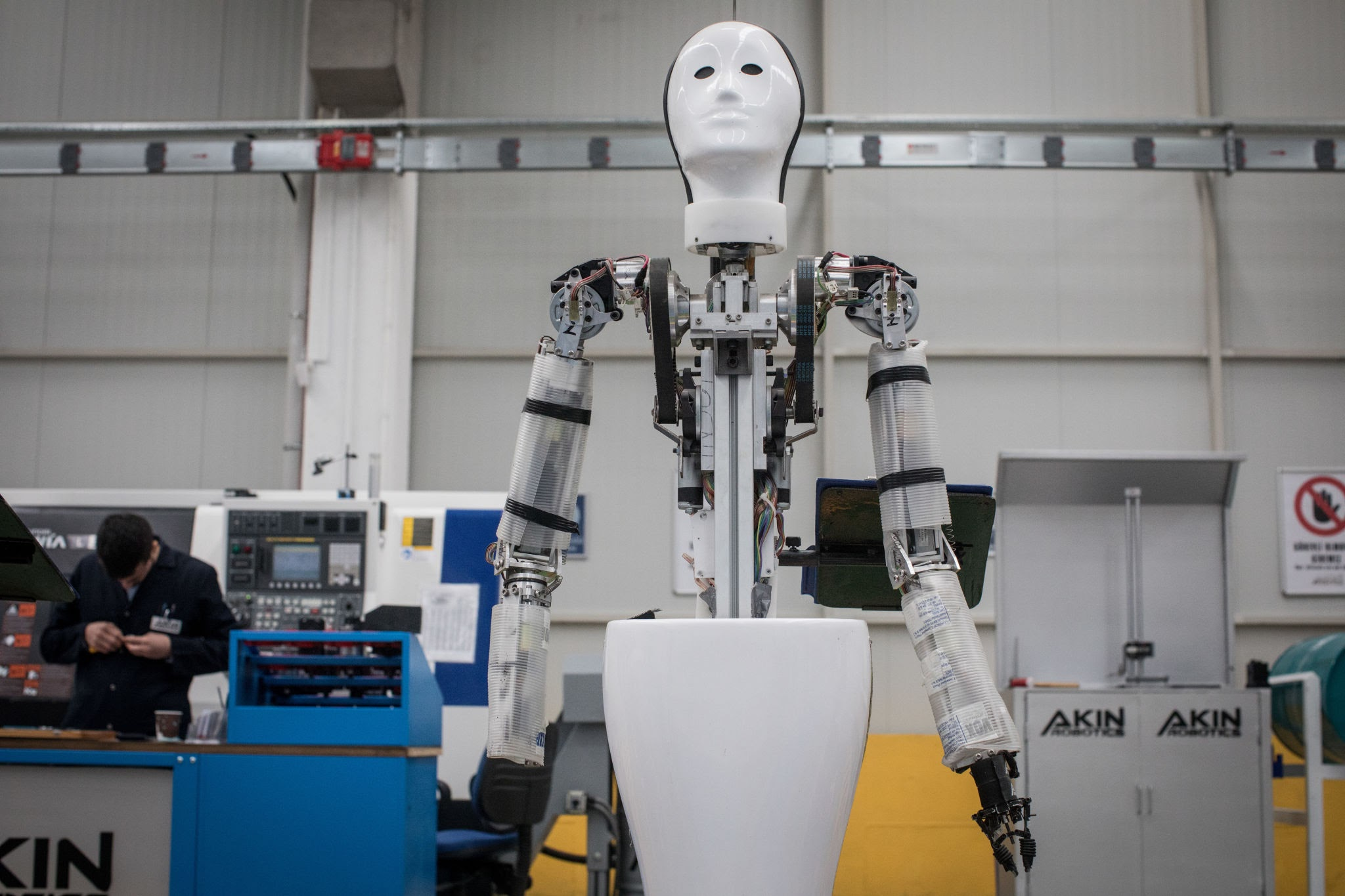
Modern industrial manufacturing lines are facing intense challenges from shrinking workforces and rising operational costs. Traditional factory automation relies heavily on large, stationary robotic arms. While these machines are incredibly fast, they are also highly rigid. They require permanent floor space and can only perform single, repetitive tasks. Therefore, industrial engineers are investing in a much more versatile option. Specifically, they are deploying humanoid robotics in manufacturing to handle complex, varied tasks alongside human workers.
These mobile, bipedal machines are designed to fit perfectly into existing factory layouts without requiring expensive redesigns.
The Mechanical Architecture of Humanoid Movement
To understand why humanoid designs are highly useful, we must look at how factories are built. For over a century, industrial spaces were designed around the human body. Steps, doorways, workbenches, and hand tools are all built for human height and hand shapes.
Consequently, a robot with two legs and two hands can navigate these spaces without any modifications to the building.
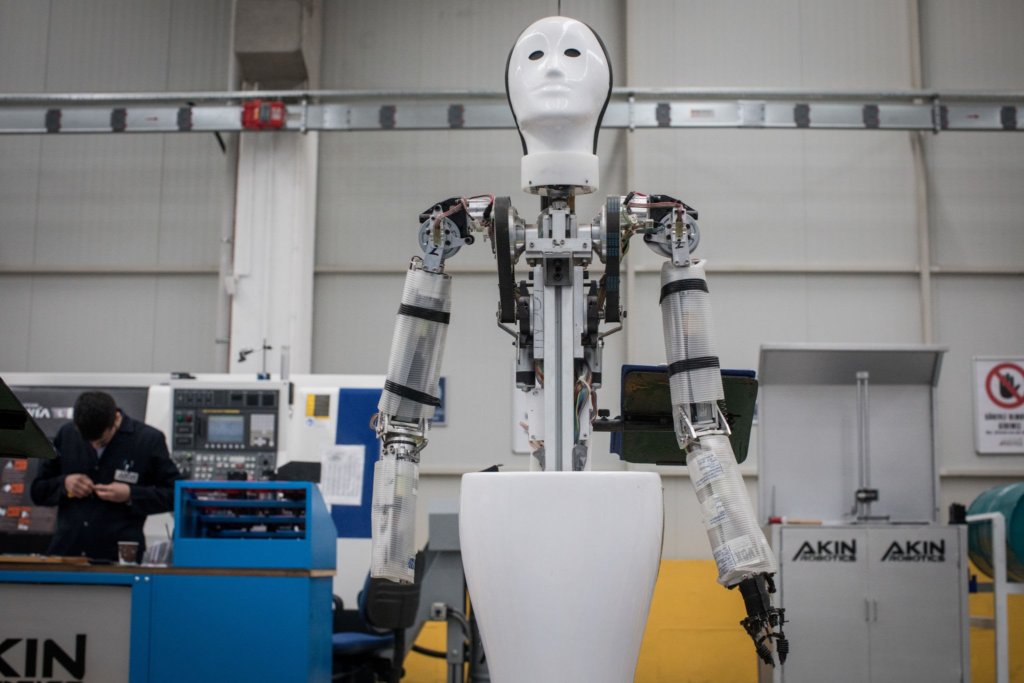
The engineering behind these machines relies on highly advanced actuators and joint motors. Each limb must move smoothly with multiple degrees of freedom. This physical flexibility allows the robot to bend down, reach high shelves, and squeeze into tight assembly spaces. Furthermore, engineers use advanced torque-sensor arrays inside the joints. These sensors detect physical resistance instantly. If the robot’s arm bumps into a human worker, it stops moving immediately to prevent injury.
Operational Frameworks for Factory Floor Deployment
Integrating mobile, self-directed robots into active assembly lines requires a highly structured control network. Engineers must implement several core technologies to manage these fleets:
1. Spatial AI Mapping Systems
Humanoid robots must navigate busy factory floors safely without getting lost or blocking pathways. Therefore, developers deploy advanced spatial AI mapping systems. The robot uses LIDAR sensors and stereoscopic cameras to build a real-time, 3D map of its surroundings. Consequently, it easily identifies and navigates around moving forklifts, dropped boxes, and human coworkers.
2. High-Precision Dexterity Training
Handling delicate parts like small screws, wiring harnesses, and fragile glass panels requires incredible hand control. Therefore, engineers use imitation learning and physics simulations to train robotic hands. The system records human workers performing the task, and then translates those motions into digital paths. As a result, the robot’s multi-fingered hands can handle complex assembly tasks with extreme precision.
3. Fleet Coordination Networks
To maximize factory output, multiple robots must work together seamlessly without getting in each other’s way. Consequently, factories use centralized fleet management software. This system coordinates tasks across the entire robotic workforce in real time. If one robot finishes its work early, the central network reassigns it to help on a busy section of the line.
Transforming the Future of Industrial Automation
As bipedal robots become more reliable and affordable, the structure of global manufacturing will change completely. Factories can operate continuously around the clock, significantly increasing production capacity.
Furthermore, these machines protect human workers by taking over dangerous, repetitive, and dirty jobs. By blending human-like movement with advanced artificial intelligence, humanoid robotics provides a safe, highly scalable foundation for modern industry.