Mind Over Machines: Scaling Wearable Brain Computer Interface Technology for Daily Use
The way humans interact with computing systems is undergoing a major sensory evolution. For decades, we relied completely on physical interfaces like keyboards, mice, and touchscreens. While these tools work well, they still require physical effort and slow down our communication speeds. Therefore, neurotechnology firms are looking for a more direct connection. Specifically, they are developing wearable brain computer interface technology to translate human thoughts directly into digital actions.
By reading subtle electrical signals through the scalp, these devices allow users to control smart home systems and software without moving a muscle.
The Science Behind Non-Invasive Neural Mapping
To understand how a wearable headset reads thoughts, we must look at the biology of the human brain. Every single thought, movement, and emotion generates tiny electrical currents. These signals travel through networks of neurons inside the brain.
Consequently, these electrical changes ripple outward and reach the surface of the skin on the head.
Wearable headsets use highly sensitive sensors called electroencephalography (EEG) nodes. These sensors sit gently against the skin to detect these tiny microvolt changes. However, the skull naturally blocks and scrambles these signals, creating noticeable background noise. Therefore, the device uses advanced machine learning algorithms to clean the raw data. The software filters out muscle movements like blinking and swallowing. Then, it identifies specific patterns, such as the neural signature created when you imagine clicking a button.
Core Implementation Pillars for Consumer Headsets
Transitioning BCI setups from sterile research labs to comfortable consumer products requires solving several engineering challenges. Product designers focus on three essential areas:
1. Form Factor Optimization
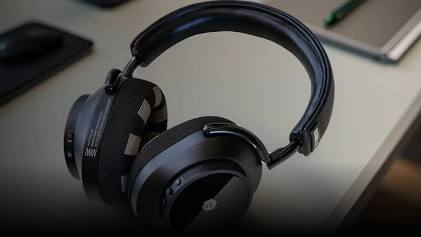
Older medical BCI setups required users to wear tight caps covered in wet conductive gel. This system is completely impractical for daily consumer use. Therefore, modern manufacturers build dry-sensor systems. They blend conductive fabric sensors directly into stylish everyday accessories like headbands and audio headphones. Consequently, these devices remain comfortable for hours of continuous use.
2. Low-Power Edge Decoding
Processing raw brainwaves requires significant computing power, which can drain small batteries quickly. To solve this, headsets use specialized, low-power neural processing chips inside the device. These chips decode brain signals locally on the headset itself. Therefore, the device does not need to send massive raw data files to a phone or cloud server. This local processing saves battery life and reduces signal delay to milliseconds.
3. Closed-Loop Software Feedback
A great BCI system must adapt to the user’s changing brainwaves throughout the day. Consequently, developers build closed-loop software systems. The application constantly analyzes how accurately it decodes the user’s intentions. If it detects a drop in performance due to fatigue, it automatically recalibrates its algorithms. This continuous adjustment keeps the interface responsive and reliable.
The Long-Term Impact on Digital Lifestyle Design
As consumer headsets become more common, hands-free device control will change how we interact with our homes and offices. Users can adjust lights, answer calls, and navigate virtual workspaces using simple mental focus.
Furthermore, this technology offers incredible support for individuals with physical mobility limits, restoring independent communication. Ultimately, wearable neural interfaces bridge the final gap between human thought and digital action.