
Beyond the Prompt: Deploying Agentic AI Workflow Automation for Business Scaling
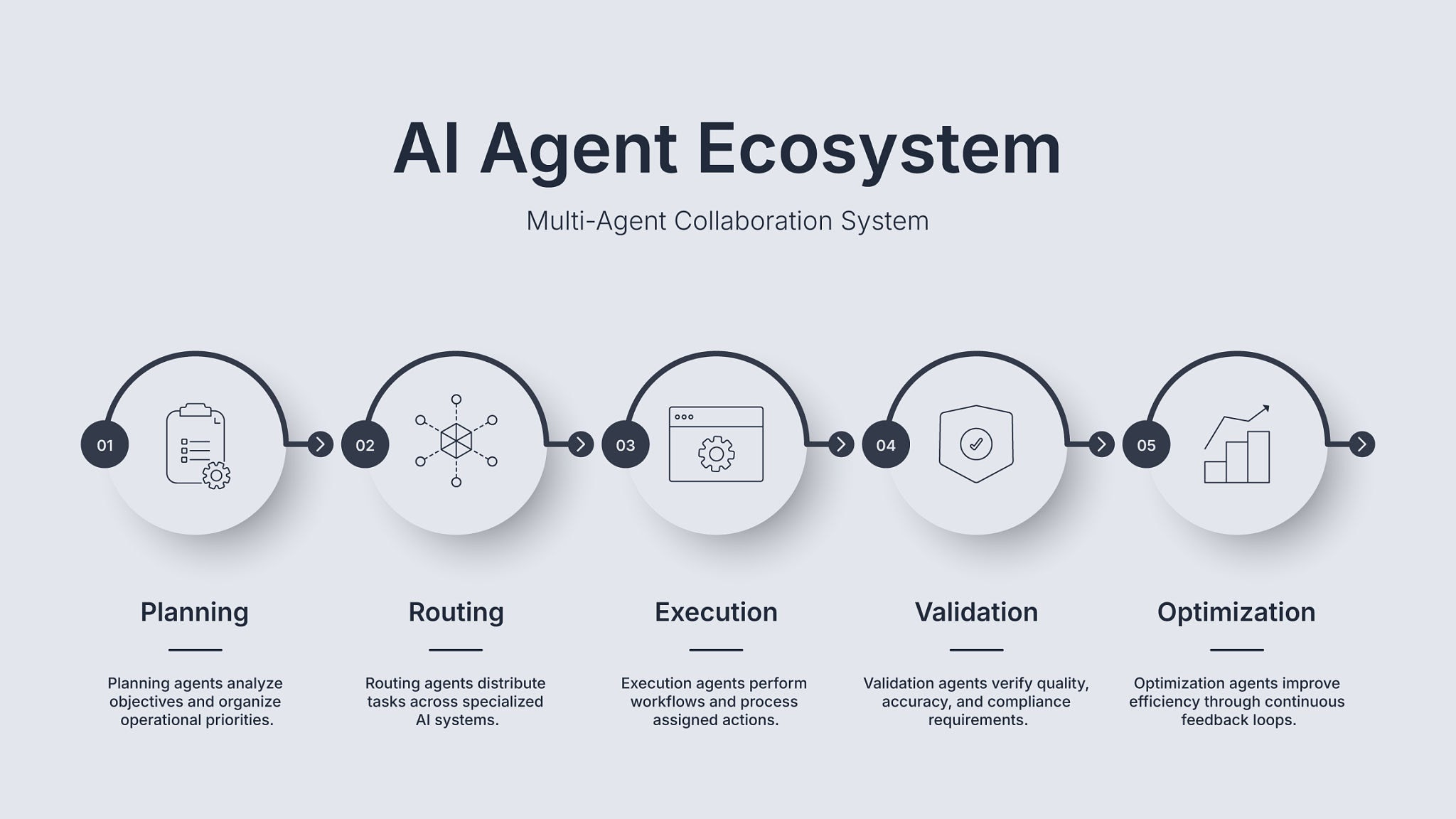
The landscape of artificial intelligence is experiencing a massive architectural upgrade. For the past few years, businesses relied heavily on basic prompt-and-response systems. Users had to enter specific questions to get simple text answers. However, this manual loop created clear operational bottlenecks. Employees still spent valuable hours copying data and coordinating various software programs. Therefore, modern software engineering teams are shifting their focus to a superior system. Specifically, they are deploying agentic ai workflow automation to build independent, self-directed software operations.
Instead of waiting for continuous user commands, these advanced agents plan and execute complete multi-step projects independently.
Decoding the Core Mechanics of Autonomous Operations
To understand why this system represents a massive leap forward, we must look at how software processes decisions. Traditional automation tools run on rigid, pre-written rules. They can only handle simple tasks if the data matches their settings perfectly. However, real-world business projects are highly unpredictable.
Consequently, agentic networks use advanced reasoning models to adapt to unexpected changes.
The operational loop begins with a single, broad goal. For instance, a user might ask the system to research and compile a weekly market report. First, the primary coordinator agent breaks this large goal down into small, logical tasks. It then assigns these tasks to specialized sub-agents. One sub-agent searches the web for fresh data, while another parses the retrieved documents for accuracy. If a sub-agent encounters a broken link or a mismatched value, it does not stop. Instead, it analyzes the error, adjusts its parameters, and tries a different path.
Designing the Architectural Blueprint for Agentic Integration
Building a functional multi-agent ecosystem requires a structured software framework. Developers must coordinate several core technical pillars to ensure reliable operations:
1. Establishing Self-Reflection Software Loops
A major risk with older automation setups is that they can generate errors without realizing it. Therefore, agentic setups use built-in self-reflection loops. When an agent finishes a task, a separate validation agent reviews the work against the original goal. If the validator spots an error, it sends the task back with specific feedback. Consequently, this internal review loop improves output quality significantly before any data reaches the user.
2. Building Dynamic Memory Storage Systems
Agents must retain context over long projects to make smart decisions. Therefore, developers use specialized vector databases to build long-term memory systems. This setup allows agents to store past interactions, successful strategies, and user preferences. As a result, the software learns from past mistakes and runs faster over time.
3. Creating Secure Tool-Use Environments
To complete tasks, agents must interact with external tools like email systems, web browsers, and financial databases. Consequently, security teams build isolated, virtual sandbox environments. These secure zones allow agents to run custom code and edit files safely. Thus, the system prevents unauthorized data access while maintaining maximum operational flexibility.
Driving the Long-Term Future of Business Operations
As autonomous software agents become more advanced, the cost of running a digital business will drop rapidly. Small teams can easily manage massive projects without hiring huge networks of external contractors.
By handling tedious research, data management, and communication tasks on autopilot, these systems free up valuable human energy. Ultimately, implementing agentic technology allows businesses to focus on creative strategy and build highly scalable operations.