Computing in Orbit: Scaling Space Based Data Center Networks for Sustainable AI
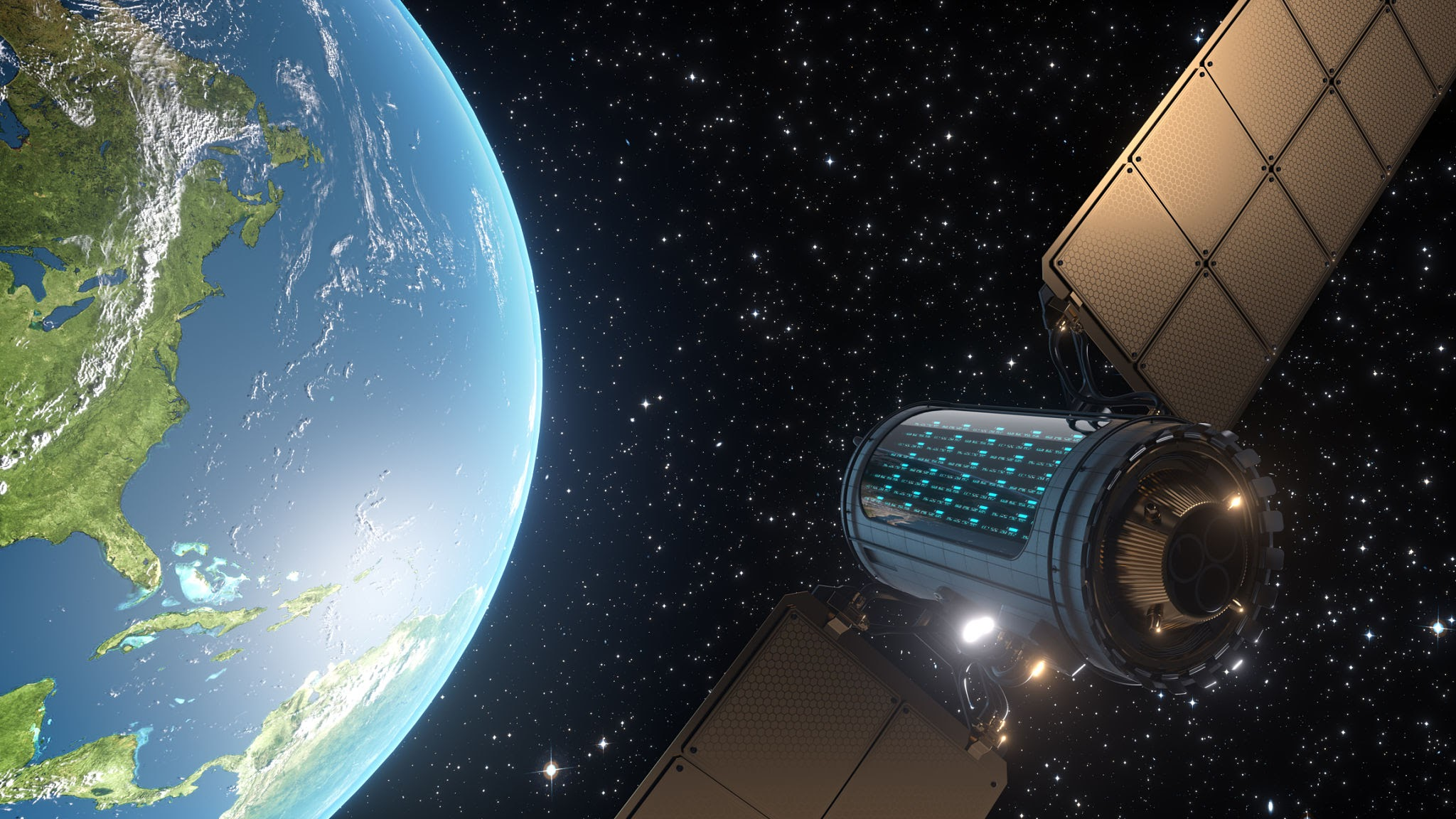
The explosive growth of artificial intelligence and global cloud computing is creating a massive environmental footprint on Earth. Massive server farms consume vast amounts of fresh water for cooling and burn through gigawatts of electricity daily. Consequently, tech firms are facing intense pressure to find more sustainable, resource-friendly hosting options. To bypass the limits of Earth-based infrastructure, forward-thinking aerospace companies are looking toward the sky. Specifically, they are developing space based data center networks to run intense computing workloads in Low Earth Orbit (LEO).
By moving heavy processing units into space, companies tap into unlimited solar energy and the natural freezing temperatures of orbit.
The Thermal and Energy Advantages of Orbital Processing
To understand why space is the ultimate environment for a data center, we must look at the physics of orbit. On Earth, cooling a supercomputer requires massive air conditioning units and millions of gallons of water.
In contrast, outer space offers a natural, permanent cooling system.
The vacuum of space sits at a baseline temperature of minus two hundred and seventy degrees Celsius. While satellites must still manage direct heat from sunlight, they can easily radiate internal computer heat into empty space. Furthermore, orbital platforms sit completely above the Earth’s atmosphere. Consequently, they have access to continuous, highly concentrated sunlight. High-efficiency solar panels can harvest this solar energy twenty-four hours a day without any cloud interference, providing a completely clean power source for heavy AI processing.
Operational Challenges of Building an Orbital Server Network
Deploying and maintaining high-speed computer servers in orbit requires solving unique aerospace engineering challenges. Development teams focus on three essential areas:
1. Designing Radiation-Hardened Hardware
Outer space is filled with high-energy cosmic rays and solar radiation that can corrupt computer memory and damage chips. Therefore, orbital servers use specialized radiation-hardened processors. These chips feature redundant circuit paths and self-correcting memory units. Consequently, the hardware continues to run smoothly even if it experiences a direct radiation hit.
2. Establishing High-Speed Laser Communication
To be useful, orbital data centers must send and receive massive amounts of data from Earth with minimal delay. Therefore, networks use advanced laser communication systems. These optical links transfer data through space using light beams instead of old radio waves. As a result, they deliver data transfer speeds that match or exceed undersea fiber optic cables.
3. Managing Orbital Debris Risks
Low Earth Orbit is increasingly crowded with old satellites and space junk. Therefore, data center satellites must have active collision-avoidance systems. The platforms use onboard thrusters and tracking software to identify nearby debris early. Consequently, the satellite automatically adjusts its orbit to stay safe, ensuring continuous operation.
Elevating Global Computational Capacity
As rocket launch costs continue to drop, moving data centers into space will become a highly cost-effective option for major tech firms. This orbital transition protects Earth’s precious water and land resources from the demands of digital infrastructure.
Furthermore, processing satellite imaging and weather data directly in orbit cuts down communication delays for global navigation. By launching our digital infrastructure into space, we pave the way for a cleaner, faster, and more sustainable digital future.