Parked Power: Utilizing Vehicle to Grid Energy Technology for Smart Home Resilience
As our homes and businesses adopt clean electric systems, local power grids are facing unprecedented stress during peak hours. Millions of air conditioners, electric stoves, and heat pumps turning on simultaneously can overwhelm traditional power plants. Consequently, grid operators must search for flexible, distributed energy storage systems. Fortunately, a massive network of high-capacity batteries is already parked in residential driveways. Specifically, energy companies are deploying vehicle to grid energy technology to link electric vehicles (EVs) directly to local power networks.
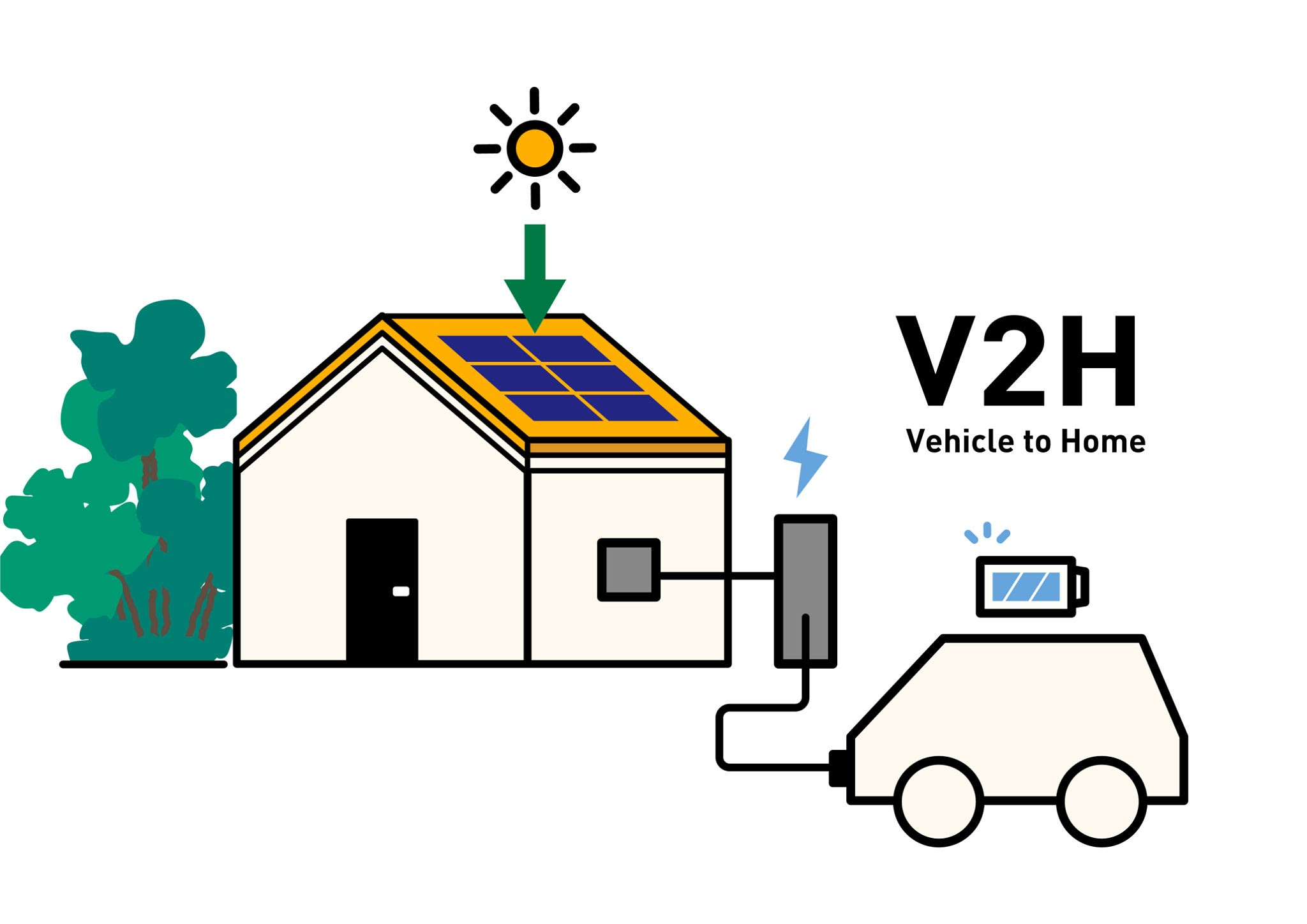
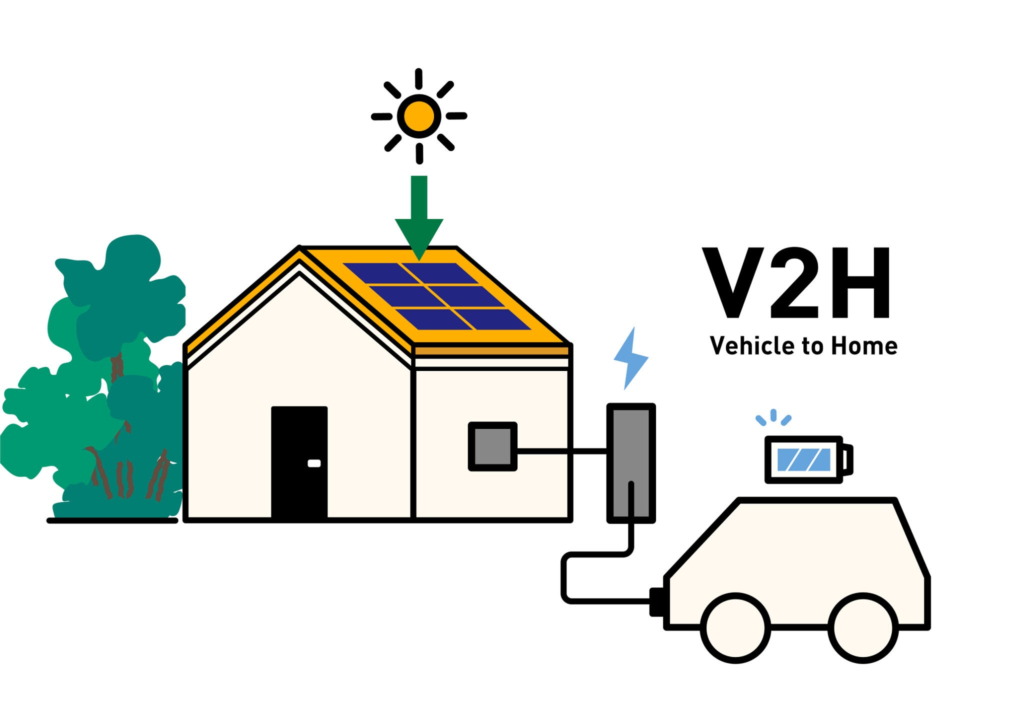
This smart, bidirectional charging setup transforms idle cars into active backup power sources for homes and the community grid.
The Mechanics of Bidirectional Power Flow
To understand how a car can feed power back into a home, we must look at the charging hardware. Traditional EV chargers are unidirectional, meaning electricity only flows in one direction: from the wall outlet into the car’s battery.
V2G systems use specialized bidirectional chargers that can reverse this flow of energy instantly.
The charging process is controlled by smart software connected to the local utility grid. During the day, when solar and wind plants generate plenty of cheap electricity, the car charges its battery. However, in the evening, when household electricity demands spike and solar generation drops, the system reverses the flow. The car’s battery feeds stored power back into the home or the neighborhood grid. Consequently, this local power supply reduces the need to run dirty, expensive fossil-fuel peaker plants.
Key Technical Pillars for V2G System Deployment
Successfully building a reliable V2G network requires seamless coordination between automotive hardware, charging stations, and utility software:
1. Upgrading Battery Management Software
Constantly charging and discharging a car battery to support the grid can cause physical wear over time. Therefore, car manufacturers use highly advanced Battery Management Systems (BMS). This software closely monitors battery temperature, charge speed, and cell health. Consequently, it only discharges small amounts of energy during peak hours, protecting the battery’s long-term life.
2. Implementing High-Frequency Grid Synchronization
When feeding power back into the grid, the electricity must match the grid’s voltage and frequency perfectly. Therefore, bidirectional chargers use high-frequency grid-synchronization inverters. These components convert the car’s direct current (DC) power into clean alternating current (AC) electricity. As a result, the power blends smoothly with the local grid without causing any flickering or electrical damage.
3. Designing Dynamic Pricing Algorithms
To encourage EV owners to participate in V2G programs, utility companies use dynamic, real-time pricing models. The software automatically sells power back to the grid when electricity prices are at their peak. Then, it recharges the car at night when prices drop to near zero. This price difference allows car owners to earn passive income simply by leaving their vehicles plugged in.
Powering a Highly Resilient Energy Future
As bidirectional charging becomes standard on all new electric vehicles, our reliance on centralized power grids will drop. Neighborhoods can share clean, local energy, keeping lights on even during severe winter storms or heat waves.
Furthermore, this technology accelerates the transition to solar and wind power by providing a massive, flexible storage network. By transforming our cars into active clean energy hubs, vehicle-to-grid integration ensures our energy systems remain reliable, affordable, and completely sustainable.