Quantum Computing Chips Deployment: 5 Best Ways to Grow Enterprise Data Speed Today
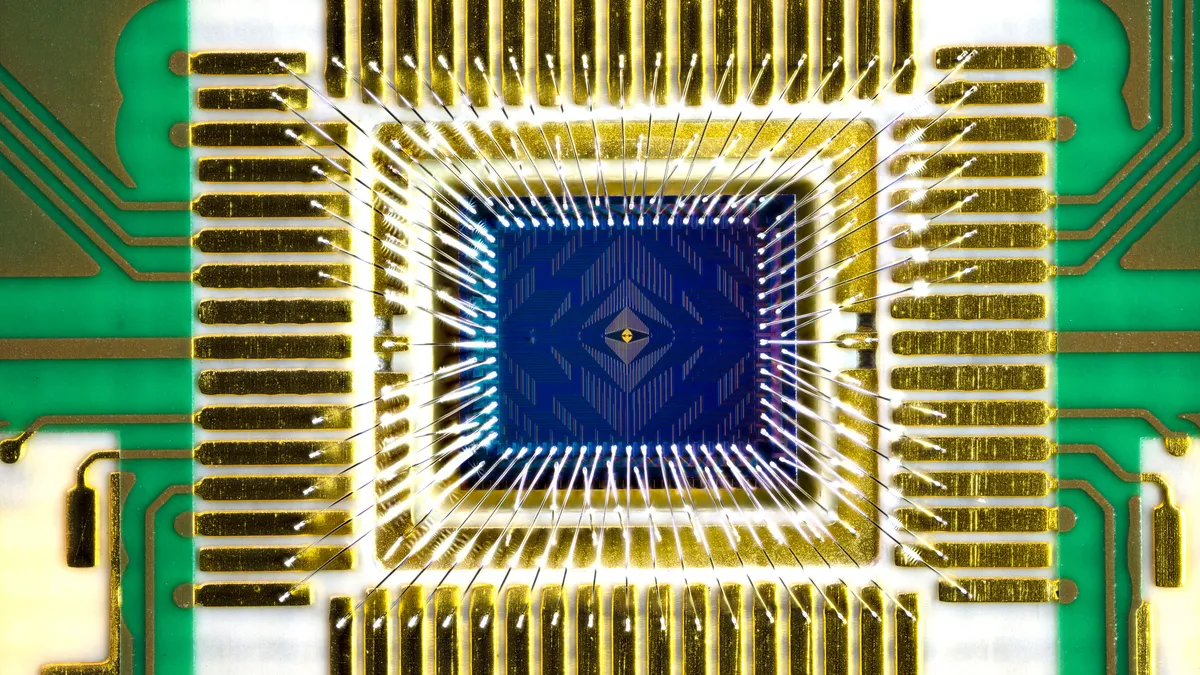
Table of Contents
- How Superposition Solves Enterprise Data Bottlenecks
- Overcoming the 3 Core Technical Challenges of Hardware Arrays
- Managing Dilution Refrigerator Systems
- Mitigating Electromagnetic Decoherence
- Hybrid Processing Frameworks
- Conclusion: Securing Long-Term Performance Gains
Quantum computing chips deployment is the ultimate game-changer for businesses struggling with slow computers. Today, modern corporate databases are rapidly hitting the maximum physical limits of traditional silicon chips. Old-school computer setups struggle when they have to solve massive, complicated math problems all at once. This slowdown causes annoying delays and stops businesses from making smart decisions quickly. To fix this, tech teams are looking at a brand-new way of processing data. They are planning their first setups to help companies run incredibly complex tasks in just a few seconds.
This upgrade is a massive leap forward for how we store and process digital information. By putting these next-generation processors directly into secure data centers, companies can solve problems that used to be completely impossible.
How Superposition Solves Enterprise Data Bottlenecks
Regular computers use basic “bits” to process information. These bits can only be a 0 or a 1 at any single moment. This means the computer has to look at every single choice one-by-one, like a person waiting in a long line. This old design causes huge traffic jams in your data.
In contrast, quantum computers use “qubits.” Thanks to a special science rule called superposition, a qubit can be both a 0 and a 1 at the exact same time! This allows the processor to look at thousands of paths at once. It completely removes the data traffic jam.
Many businesses need super-fast answers to run their daily operations. For example:
- Shipping companies can find the best driving routes in seconds instead of days.
- Medical companies can test new formulas on a screen in minutes instead of years.
Because of these amazing benefits, smart companies are prioritizing their own quantum computing chips deployment to make sure their business can grow smoothly in the future. To see how these technologies fit into standard setups, you can read our Internal Link: Guide to Modern Database Upgrades.
Overcoming the 3 Core Technical Challenges of Hardware Arrays
Even though this technology is amazing, setting up these processors in regular server rooms is quite difficult. Engineers have to solve three main problems during a quantum computing chips deployment to keep everything working safely.
1. Managing Dilution Refrigerator Systems
First, these chips need to stay incredibly cold to do their job. If the room is even slightly warm, the system stops working instantly. Because of this, engineers have to put the chips inside giant cooling machines called dilution refrigerators. These machines use special liquid helium to make the chip colder than outer space. Keeping this super-cold environment stable is the only way to make sure the computer doesn’t crash.
2. Mitigating Electromagnetic Decoherence
Second, normal signals in the air—like Wi-Fi, radio waves, or mobile phone signals—can mess up the qubits and cause mistakes. To block this, data centers build heavy metal walls around the computer. This acts like a giant shield to block out all outside noise. Programmers also use clever software to fix minor errors in real-time. For a detailed look at how these shields work, you can check out the official IBM Quantum Computing research page (External DoFollow Link).
3. Hybrid Processing Frameworks
Third, a business cannot throw away all its old computers overnight. It is too expensive and complicated. Instead, teams are building a mix of both worlds. They use normal servers for simple tasks, like sending emails, and save the quantum chip for the hardest math problems. This smart mix keeps setup costs low while giving businesses a massive speed boost.
By mastering these three steps, companies can easily upgrade their setups. Combining these advanced systems with normal business databases helps teams find hidden trends instantly. It keeps your business ready for whatever comes next.
Conclusion: Securing Long-Term Performance Gains
As factories get better at making these special processors, the cost will slowly come down. By getting rid of old, slow computer delays, this new technology helps businesses solve problems that used to take years. In the end, starting a successful quantum computing chips deployment is the best way to keep your business ahead of the competition for years to come.