IoT Smart City Networks: 5 Best Ways to Upgrade Traffic and Save Energy Today
 iot smart city networks
Table of Contents
- How Tiny Sensors Keep Daily Traffic Moving Smoothly
- 3 Core Pillars of Connected Urban Infrastructure
- Smart Adaptive Traffic Controllers
- Automated Energy Management Grids
- Real-Time Waste and Water Monitors
- Conclusion: Building Greener Communities for Tomorrow
IoT smart city networks are making daily life cleaner, safer, and much faster for urban residents. Growing cities face serious problems like heavy traffic jams, wasted street lighting energy, and unexpected water pipe bursts. In traditional towns, local councils only fix problems after upset citizens make phone calls to complain. To solve these delays, urban planners are placing thousands of tiny connected sensors into streetlights, traffic signals, and water pipes across major neighborhoods.
This technology helps local governments spot and repair public issues automatically before they cause chaos. By connecting everyday city equipment to a central software dashboard, communities can lower monthly operating costs and keep traffic flowing smoothly.
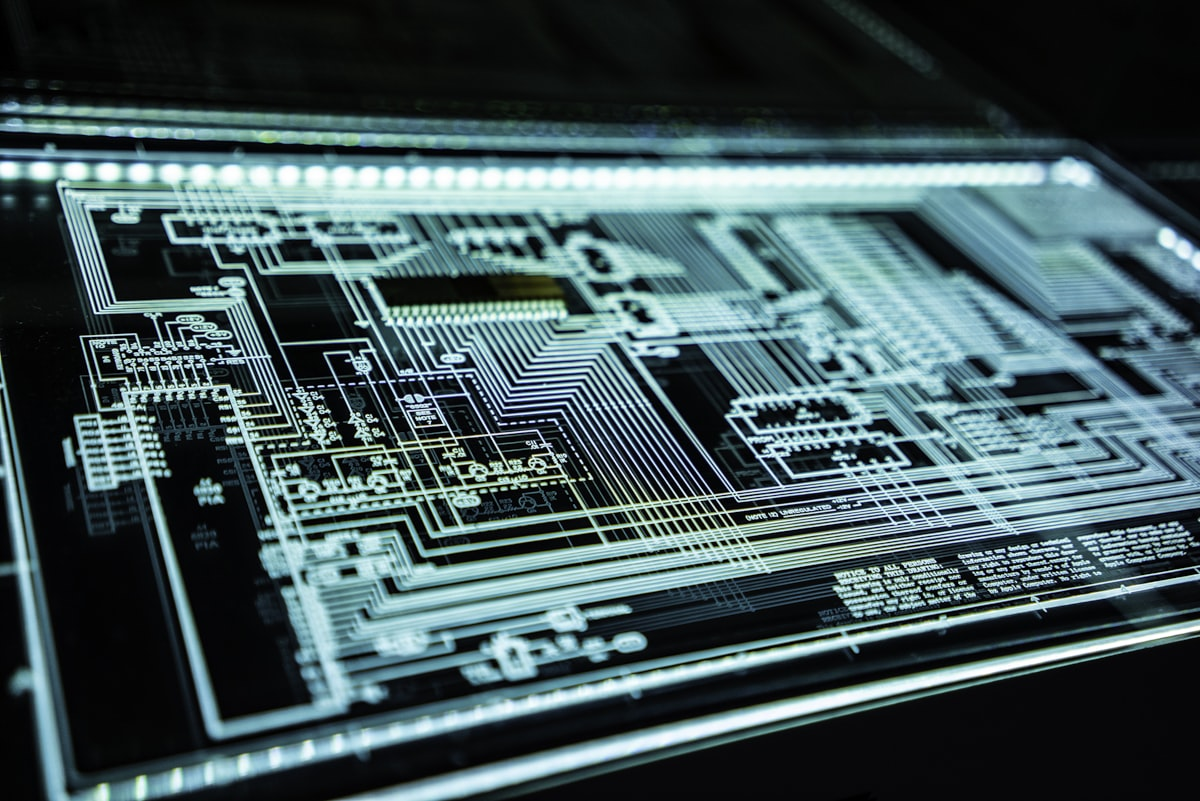
[IMAGE PLACEHOLDER – Upload this image to your WordPress Media Library and set the Alt Text exactly as: iot smart city networks]

How Tiny Sensors Keep Daily Traffic Moving Smoothly
To understand how this connected network works, think about smart home gadgets like smart light bulbs. When you walk into a room, a motion sensor turns the lights on automatically, and when you leave, it turns them off to save power.
That is how iot smart city networks manage entire streets. Instead of relying on rigid timers, traffic signals use real-time camera feeds and road sensors to change green lights dynamically when long lines of cars stack up.
Installing these urban sensors brings big benefits to local neighborhoods:
- Faster Commutes: Drivers spend less time idling at empty red lights during morning traffic rush hours.
- Lower Power Bills: Streetlights dim automatically late at night when nobody is walking on the sidewalk.
- Quicker Emergency Response: Fire trucks and ambulances get instant green lights so they can reach accidents faster.
Fixing small road delays keeps local businesses moving and reduces toxic exhaust fumes in residential areas. You can read more about upgrading municipal utilities in our Internal Link: Master Guide to Modern Infrastructure Systems.
3 Core Pillars of Connected Urban Infrastructure
Building a reliable sensor grid requires combining physical hardware with fast wireless internet connections. Engineers focus on three major structural pillars when deploying iot smart city networks across busy districts.
1. Smart Adaptive Traffic Controllers
First, intersection controllers collect speed data from passing vehicles and send it over high-speed cellular links. The traffic system adjusts signal timing across several blocks at once, preventing gridlock before major highway exits back up.
2. Automated Energy Management Grids
Second, outdoor lighting accounts for a massive portion of municipal electricity spending. Smart light poles dim during quiet night hours and brighten up instantly when motion sensors detect pedestrians walking nearby. To see real-world project examples, explore the official IoT For All Urban Connectivity tech hub (External DoFollow Link).
3. Real-Time Waste and Water Monitors
Third, underground water pipes and public waste bins are fitted with ultrasonic fill sensors. Instead of sending trash trucks on fixed daily routes, garbage crews only stop at bins that are completely full. Meanwhile, pressure sensors detect underground pipe leaks immediately, saving millions of gallons of clean drinking water.
Using these automated tools helps local mayors stretch taxpayer money further while improving public safety for everyone.
Conclusion: Building Greener Communities for Tomorrow
As urban populations continue to grow, older municipal systems will struggle to handle the extra load. Upgrading public utilities with smart sensors creates cleaner, quieter, and safer neighborhoods for future generations. Ultimately, investing in iot smart city networks is the best way to modernize local communities and improve daily life for residents.