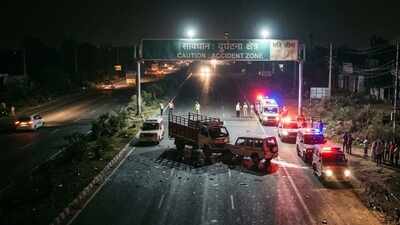
Barrier-less toll plaza now in Delhi: Here’s how the system works
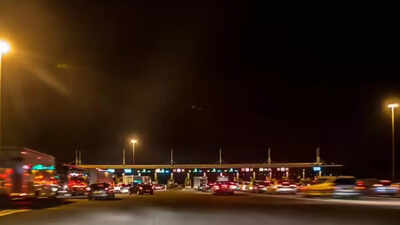
Nitin Gadkari, Union Minister for Road Transport and Highways, has inaugurated Delhi’s first barrier-less toll plaza on the Urban Extension Road-II corridor. Located at Mundka-Bakkarwala, the new setup becomes the second barrier-less toll system in the country after Gujarat and marks a major shift in the way toll collection is carried out on Indian highways.
Barrier-less toll plaza: How do they work
The new tolling setup uses Multi-Lane Free Flow (MLFF) technology, which allows vehicles to cross toll points without stopping. Unlike conventional toll plazas that use boom barriers and dedicated lanes, the MLFF system works through overhead gantries fitted with cameras and sensors that automatically detect vehicles and collect toll charges digitally while vehicles continue moving.The system identifies vehicles in real time using Automatic Number Plate Recognition (ANPR) cameras and other tracking technologies. As a vehicle passes under the tolling structure, the system captures the number plate, classifies the vehicle based on axle count and dimensions, and generates a unique tracking ID. The toll amount is then linked to the vehicle’s FASTag account as part of the complete tolling ecosystem.One of the biggest advantages of the barrier-less setup is reduced congestion at toll points. Since vehicles no longer need to slow down or stop, the system is expected to reduce long queues, improve traffic flow and lower fuel wastage caused by idling and repeated stop-start movement.
However, motorists will need to ensure their FASTag remains active and properly funded. The National Highways Authority of India (NHAI) has stated that if toll payment is not completed successfully, an e-notice will be issued to the vehicle owner. Drivers must clear the pending toll within 72 hours to avoid penalties.If payment is made within the 72-hour window, only the normal toll amount will be charged. But if the payment is delayed beyond 72 hours, motorists will have to pay double the toll amount as penalty.To avoid such issues, NHAI has advised vehicle owners to maintain sufficient FASTag balance, keep their FASTag active at all times and ensure the vehicle is fitted with a High Security Registration Plate (HSRP). Users are also advised to regularly check notifications linked to their registered mobile numbers for any pending toll alerts.