
Balancing the Shift: How Everything-to-Grid Technology Secures Sustainable Power
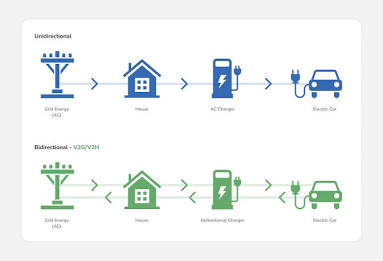
Modern electrical infrastructure faces a massive operational strain every single afternoon. As residential households power up home cooling systems and cooking appliances, the raw generation capacity from renewable sources naturally decreases as daylight fades. To solve this systemic daily imbalance without reverting to carbon-intensive back-up stations, energy providers are utilizing everything-to-grid technology to create intelligent, decentralized distribution networks.
This software-driven architecture aggregates thousands of idle power reserves to support the main transmission lines in real time.
The Mechanics of Bidirectional Flow
The success of this infrastructure relies on changing how stationary assets interact with the wider power market. Instead of running a purely consumption-based model, smart setups utilize a two-way pathway that handles operations through specific stages:
- Asset Aggregation: Intelligent orchestration software connects parked electric vehicles, home solar storage packs, and corporate backup generators into a single virtual power pool.
- Live Demand Tracking: Distribution systems monitor consumption metrics to detect early signs of voltage drops or local phase imbalances.
- Automated Discharge Loops: The network draws minimal percentages of power from idle batteries simultaneously, safely distributing the operational burden across thousands of nodes.
- Financial Compensation: System operators automatically credit individual asset owners for the precise amount of juice shared back with the local municipality.
This framework safely balances massive structural loads across high-use corridors without requiring consumers to actively change their personal daily routines.
Scaling the Infrastructure for Urban Centers
Expanding these decentralized networks requires upgrading regional charging setups to handle bidirectional currents. Standard legacy installations only support one-way power distribution, meaning municipal planning departments must work with private developers to deploy compliant hardware. By introducing smart meters and localized control nodes, cities can smoothly build structural resilience directly into their transportation networks. This approach ensures cleaner city grids that rely entirely on clean, recycled power.