Solid State Battery Electric Vehicles: 5 Best Ways to Drive Farther and Charge Faster Today
 solid state battery electric vehicles
Table of Contents
- Why Traditional Liquid Lithium Batteries Limit EV Growth
- 3 Core Breakthroughs of Solid Electrolyte Technology
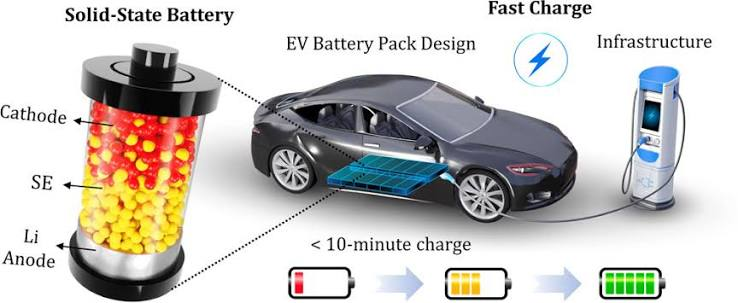
- Ultra-Fast 10-Minute Rapid Charging
- Non-Flammable Solid Ceramic Separators
- Doubled Energy Density for 600-Mile Range
- Conclusion: Driving the Future of Zero-Emission Transportation
Solid state battery electric vehicles are set to completely change how families commute, travel long distances, and charge their cars. Current electric cars rely on lithium-ion batteries that use flammable liquid chemicals inside to transfer electrical energy. While these current batteries work well for short daily drives, they recharge slowly, degrade over time, and make cars heavy. To fix these range and charging limitations, automotive engineers are replacing liquid battery interiors with solid ceramic or glass layers.
This solid-state upgrade lets cars store twice as much energy in a smaller package, allowing drivers to travel over 600 miles on a single fast charge.
Why Traditional Liquid Lithium Batteries Limit EV Growth
Think of a standard liquid battery like a sponge soaked in water. Over time, that liquid can leak out, degrade in freezing winter weather, or overheat if charged too fast.
That is why solid state battery electric vehicles represent such a massive upgrade. Replacing liquid chemicals with a solid ceramic layer removes fire risks while speeding up how fast electricity flows inside the battery cell.
Switching to solid battery power provides major benefits for everyday drivers:
- 10-Minute Rapid Charging: Recharge from 10% to 80% in the time it takes to grab a cup of coffee.
- Eliminated Fire Risks: Solid ceramic separators cannot catch fire even under high stress or heavy collision.
- Longer Battery Lifespan: Lasts over 20 years without losing total storage capacity.
Eliminating long charging wait times makes electric cars practical for every household. Learn more about clean transit tech in our Master Guide to Next-Gen Electric Transit.
3 Core Breakthroughs of Solid Electrolyte Technology
Upgrading battery chemistry requires replacing liquid chemical pools with engineered solid materials. Scientists focus on three main technical advantages when building solid state battery electric vehicles.
1. Ultra-Fast 10-Minute Rapid Charging
First, solid ceramic layers allow electrical ions to glide across the battery rapidly without causing dangerous chemical overheating, cutting charging wait times significantly.
2. Non-Flammable Solid Ceramic Separators
Second, removing liquid solvents prevents thermal runaway, ensuring the battery pack remains stable during hot summer weather or rapid acceleration. To read official automotive standards, explore the SAE International Electric Vehicle technical portal.
3. Doubled Energy Density for 600-Mile Range
Third, solid cells pack energy twice as tightly as older liquid batteries, giving slim sedans and large family SUVs up to 600 miles of driving range per charge.
Adopting solid-state power paves the way for clean, hassle-free road trips.
Conclusion: Driving the Future of Zero-Emission Transportation
Relying on heavy, slow-charging liquid batteries has kept many drivers from switching to electric cars. Solid ceramic battery technology offers faster charging, safer operation, and unmatched driving range. Ultimately, adopting solid state battery electric vehicles is the single best way to make green transportation convenient for everyone.