
Securing Digital Boundaries: The Architecture of Sovereign Cloud Security
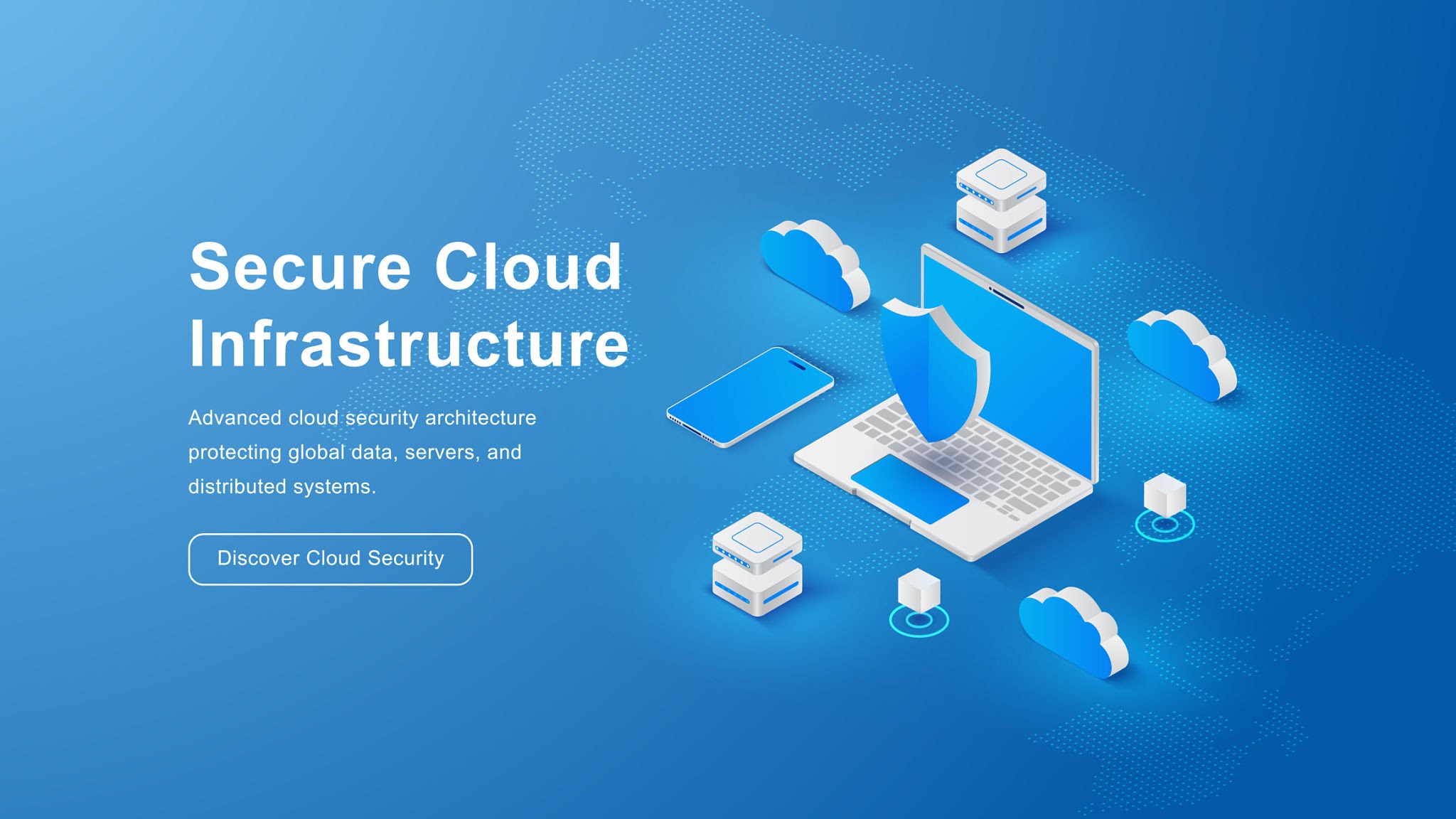 Isometric cloud security infrastructure with shield protection, servers, and global network connection. Secure cloud computing concept for data protection and cybersecurity solutions.
As international regulatory bodies tighten restrictions on cross-border data flows, standard public data hosting architectures are facing intense friction. Organizations managing sensitive financial, healthcare, or public sector records must now ensure their operational data remains within specific geographical borders. This reality makes sovereign cloud security a core pillar of modern digital infrastructure.
True data sovereignty goes beyond simple server locations. It demands complete operational control over every layer of the infrastructure.

Key Pillars of Geographic Isolation
A compliant security infrastructure addresses three critical areas of digital operations:
- Data Residency: Storing physical hard drives and backup arrays strictly inside the legal boundaries of a specific region or country.
- Operational Sovereignty: Ensuring that cloud platform administrators who hold system access rights are physically located and legally bound within that same jurisdiction.
- Cryptographic Control: Utilizing localized key management services so external entities cannot decrypt information without local legal authorization.
Building your systems with these boundaries prevents compliance failures and insulates operations from international policy shifts.
Modernizing Enterprise Storage Frameworks
Adopting a localized infrastructure does not mean giving up the flexibility of modern microservices. Engineering teams are increasingly deploying hybrid models. By using containerized architectures, companies keep non-sensitive processing tasks in global environments while routing critical customer data directly through secure local zones. This balance maintains application speed while strictly satisfying national privacy mandates.