
The Screenless Shift: Maximizing Micro-Wearables for Continuous Personal Biometrics
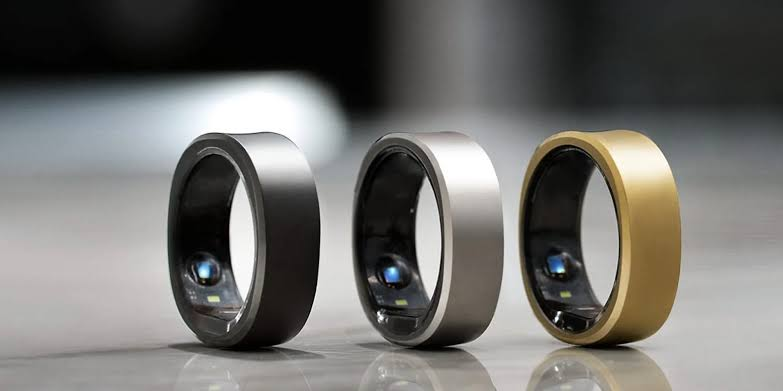
The landscape of personal wellness tracking is undergoing a major structural downsizing. For the last decade, consumer electronics focused heavily on large, wrist-worn displays that constantly flashed message banners, application notifications, and vibrated with every incoming alert. While highly functional, these large smartwatches created a visible digital fatigue among users seeking simple data tracking without the added screen distraction. This cultural fatigue has triggered a massive wave of search interest for specialized micro-wearables, pushing smart ring health monitoring systems straight into the mainstream spotlight.
By shifting advanced tracking components into a lightweight band worn around the finger, hardware developers are unlocking highly accurate, continuous biometric data collection.
Demystifying the Physics of Finger-Based Tracking
To understand why this miniature form factor is capturing massive market share, you have to look at the underlying vascular biology of the human hand. Traditional wrist-based monitors read data through thick muscle tissue and complex bone layers, where moving your arm can easily disrupt light sensors and cause data errors. The fingers, however, contain a dense network of highly accessible capillaries running right beneath the surface of the skin.
This anatomy allows the tiny infrared light-emitting diodes (LEDs) built into the inner lining of the band to map blood flow changes with incredible clarity.
Because the device sits securely against these stable capillary pathways, it captures incredibly clean raw metrics. The data gathered provides highly consistent information on heart rate variability (HRV), blood oxygen saturation levels, peripheral skin temperature changes, and sleep phase transitions. This deep data tracking happens silently in the background, entirely free from the constant text banners and bright screen notifications that interrupt your day.
Designing the Structural Blueprint for Ambient Data Applications
Transitioning application architecture from traditional mobile designs to fit a screenless micro-wearable requires rewriting the rules of user experience. Engineering teams must adapt their development frameworks to handle distinct operational challenges:
1. Designing for Extreme Power Efficiency
Because these tiny metallic bands have incredibly small internal batteries, developers must write highly efficient, low-energy code. Software loops cannot run continuous, heavy wireless data syncing throughout the day without draining the battery instantly. Instead, smart ring architectures store raw tracking data locally on a miniature internal flash chip, utilizing low-energy Bluetooth protocols to send data packets in short, compressed bursts when the user opens their companion mobile application.
2. Shifting to Asynchronous Mobile Dashboards
Without a physical screen to display real-time numbers, the companion smartphone app becomes the primary interface for data analysis. Software designers must avoid overwhelming users with confusing walls of raw metric numbers. Instead, dashboards should use clean, modular layouts that group complex biometric variables into simple, actionable daily scores:
- Physical Readiness Tracking: Combining overnight heart rate recovery, sleep depth scores, and skin temperature changes into an actionable daily energy index.
- Autonomic Stress Mapping: Evaluating real-time changes in heart rate fluctuations during working hours to pinpoint precise periods of high mental strain.
- Circadian Alignment Profiles: Tracking consistent sleep patterns to help users align their daily exercise and work schedules with their natural body clocks.
The Long-Term Impact on Digital Lifestyle Design
As consumer interest in these miniature tracking devices continues to grow, web developers and digital media creators must reconsider how they present online content. The massive popularity of screenless tech shows a clear consumer desire for cleaner, more focused digital experiences. Websites must move away from intrusive pop-ups, auto-playing videos, and chaotic layout structures that fracture reader attention.
Building clean, highly readable text architectures that deliver immediate value satisfies both your human audience and advanced search engine crawlers. By focusing on simple navigation and fast loading speeds, your online footprint remains perfectly aligned with the broader shift toward smooth, screenless technology.