
Indoor Cultivation: Scaling Commercial Vertical Farming Technology in Modern Logistics
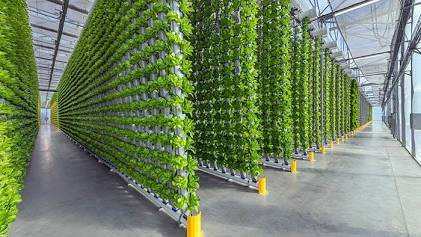
Global food supply lines are facing unprecedented strain from shifting weather patterns, water scarcities, and the high transportation costs of shipping fresh produce across continents. Traditional agriculture requires vast expanses of rural land, heavy pesticide usage, and thousands of gallons of surface water irrigation, making it highly vulnerable to unexpected environmental shifts. To build true food security near dense urban populations, logistics networks and agricultural firms are heavily investing in commercial vertical farming technology to create weather-proof indoor cultivation hubs.
This industrial setup stacks automated hydroponic grow trays inside hyper-controlled environments, maximizing crop output per square meter of physical footprint.
The Engineering Behind Controlled Environment Agriculture
The core advantage of an indoor vertical farm lies in its total separation from outside weather volatility. Instead of relying on unpredictable sunshine and natural rain cycles, these facilities utilize a closed-loop engineering system known as Controlled Environment Agriculture (CEA). Every single environmental variable inside the facility is carefully managed by automated software networks.
Custom-tuned LED arrays deliver specific light wavelengths optimized for photosynthesis, completely eliminating the need for natural sunlight.
Simultaneously, advanced HVAC systems cycle clean air through the facility to manage ambient temperatures and humidity down to the exact percentage point. This precise control completely eliminates the need for chemical pesticides, as the sealed environment keeps out bugs and weeds naturally. Plants grow inside an sterile environment where their roots receive a perfectly balanced stream of nutrient-rich water, accelerating growth cycles while using up to 95% less water than traditional open-field farming.
Operational Frameworks for Automated Indoor Scale
Transforming an urban warehouse into a highly profitable, automated vertical cultivation facility requires a carefully planned layout. The operational flow must move smoothly from seed germination to final retail packaging without creating resource bottlenecks:
1. Automated Hydroponic Distribution Systems
Traditional farming uses vast amounts of water that often drains away into local water tables, taking valuable nutrients with it. Indoor vertical facilities solve this problem by using closed-loop ebb-and-flow or nutrient film systems. Water cycles through the vertical growing towers, feeds the root structures directly, and flows into a central filtration tank where it is cleaned, re-analyzed for nutrient density, and pumped right back into the system.
2. Spectrum Tuning Software Infrastructure
Different plants require different types of light at various points in their life cycles. For example, leafy greens thrive under cool blue wavelengths during their early growth phase, while fruiting varieties need warmer red tones to bloom effectively. Central spectrum tuning systems automate these light adjustments across thousands of individual vertical rows, maximizing crop quality while minimizing electricity consumption.
3. Integrated Biosecurity Protocols
Because these indoor grow rooms operate without chemical weed or bug sprays, maintaining strict biosecurity is absolutely vital. Facilities use air showers at all main entryways, require workers to wear sterile protective clothing, and use positive-pressure air systems to keep outside contaminants from drifting indoors. These protective loops ensure crops remain completely clean and safe from seed to harvest.
Navigating the Challenges of High Energy Demand
While indoor vertical cultivation offers incredible efficiency in water use and space savings, managing the electricity needed to run continuous lighting and climate systems remains a key operational challenge. To stay highly profitable, modern facilities are pairing their growing systems with local renewable energy sources, like rooftop solar arrays and smart battery storage setups.
As cities expand, locating these automated farms right next to major urban grocery hubs drastically cuts down on shipping distances and vehicle emissions. This smart localization ensures fresh produce reaches store shelves within hours of harvest, proving that indoor vertical farming is a vital tool for building sustainable, resilient cities.