
Zero Emission Freight: Deploying Hydrogen Fuel Cell Electric Vehicles for Heavy Duty Hauling
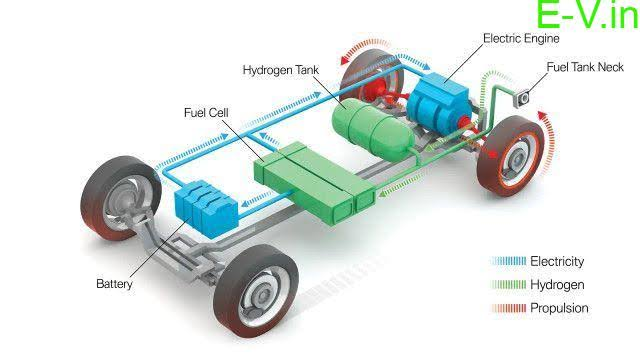
The global commercial transport sector is under intense regulatory pressure to phase out fossil-fuel combustion engines completely. Heavy-duty semi-trucks and cross-country logistics fleets generate a massive percentage of worldwide transportation emissions. Therefore, environmental agencies make them a primary target for green initiatives. Standard battery-powered setups work incredibly well for lightweight passenger cars. However, they face massive operational limits when applied to long-haul shipping. This technology gap has sparked massive search volume around hydrogen fuel cell electric vehicles as the ideal solution for heavy freight.
These advanced drivetrains generate electricity onboard through a clean chemical reaction between hydrogen gas and natural oxygen. As a result, they deliver clean operations without sacrificing heavy payload capacity.
Breaking Down the Internal Chemistry of Hydrogen Freight
To understand why hydrogen systems outperform heavy lithium batteries, we must look at energy density. A standard battery-powered semi-truck requires a massive lithium pack weighing several tons just to travel long distances. Unfortunately, this massive battery weight directly reduces the amount of profitable cargo the truck can legally carry. Consequently, it hurts fleet profitability.
A hydrogen-powered vehicle easily solves this weight problem by using a highly efficient onboard chemical reaction.
The core of the system is the fuel cell stack. Compressed hydrogen gas releases from secure, lightweight onboard tanks. Then, it feeds directly into the fuel cell, where it passes through a specialized catalytic membrane. As the hydrogen atoms interact with incoming oxygen from the outside air, they split into protons and electrons. This action creates a steady stream of electricity that powers the truck’s electric drive motors. Most importantly, the only byproduct created by this entire process is completely clean water vapor.
Core Infrastructure Pillars for Fleet Deployment
Successfully shifting a commercial transport fleet over to hydrogen power requires building a specialized support infrastructure. Fleet logistics managers must focus on three essential areas to ensure seamless daily operations:
1. High-Speed Refueling Stations
The biggest operational advantage hydrogen trucks have over standard battery vehicles is refueling speed. Recharging a massive industrial lithium battery pack can take several hours. This delay keeps the truck off the road and costs the company money. In contrast, a hydrogen semi-truck can completely fill its onboard storage tanks in under fifteen minutes. Therefore, it matches the fast turnaround times fleet operators expect from traditional diesel engines.
2. Compressed Storage Architecture
Storing hydrogen gas safely requires highly advanced materials engineering. Because hydrogen molecules are incredibly small and light, engineers must store them under extreme pressure. They often use up to 700 bar of pressure to pack enough energy into the onboard tanks. Consequently, these tanks use ultra-strong, multi-layer carbon fiber weaves. This specific material withstands massive physical impacts and extreme temperature changes without leaking.
3. Transitioning to Green Production Pipelines
The environmental value of using hydrogen fuel cells depends entirely on how we manufacture the hydrogen gas. Legacy production methods relied on processing natural gas, which still released carbon into the atmosphere. However, the modern clean logistics industry is pivoting sharply toward green hydrogen. They use clean solar and wind energy to split water into pure hydrogen and oxygen through zero-emission electrolysis.
Building the Future of Sustainable Freight
As green production methods scale up, international manufacturing costs continue to drop. Consequently, hydrogen power is cementing its place as the definitive choice for long-haul commercial logistics. The ability to refuel in minutes, haul full cargo weights, and travel long distances makes it a highly practical upgrade.
For fleet businesses looking to future-proof their operations, transitioning to hydrogen fuel cells cuts out fossil-fuel volatility entirely. Simultaneously, it meets strict new environmental rules. By investing in clean hydrogen technology, the global logistics industry ensures that cross-country shipping remains fast, reliable, and completely pollution-free.