
Microplastic Filtration Water Systems: 5 Best Ways to Clean Drinking Water Today
 microplastic filtration water systems
Table of Contents
- Why Invisible Plastic Nanoparticles Pollute Tap Water
- 3 Core Technologies Behind Advanced Water Filters
- Multi-Layer Graphene Membrane Filters
- Electro-Coagulation Separation Units
- Carbon Block Micro-Pore Systems
- Conclusion: Protecting Home Drinking Water Quality
Microplastic filtration water systems are becoming essential home appliances for families who want clean, safe drinking water free from synthetic contaminants. Every year, millions of tons of plastic trash, synthetic clothes, and industrial packaging break down into tiny particles smaller than a grain of sand. These invisible plastic fragments wash into rivers, reservoirs, and municipal water pipes. Standard water treatment facilities were designed decades ago and struggle to filter out microscopic plastic dust before it reaches residential kitchen faucets.
Installing dedicated home filtration units stops these tiny synthetic particles at the pipe, ensuring every glass of water is pure and safe to drink.
Why Invisible Plastic Nanoparticles Pollute Tap Water
Think of standard water treatment like a wire fence built to keep soccer balls out of a yard. While the fence easily stops big objects like leaves and twigs, tiny marbles pass right through the gaps without stopping.
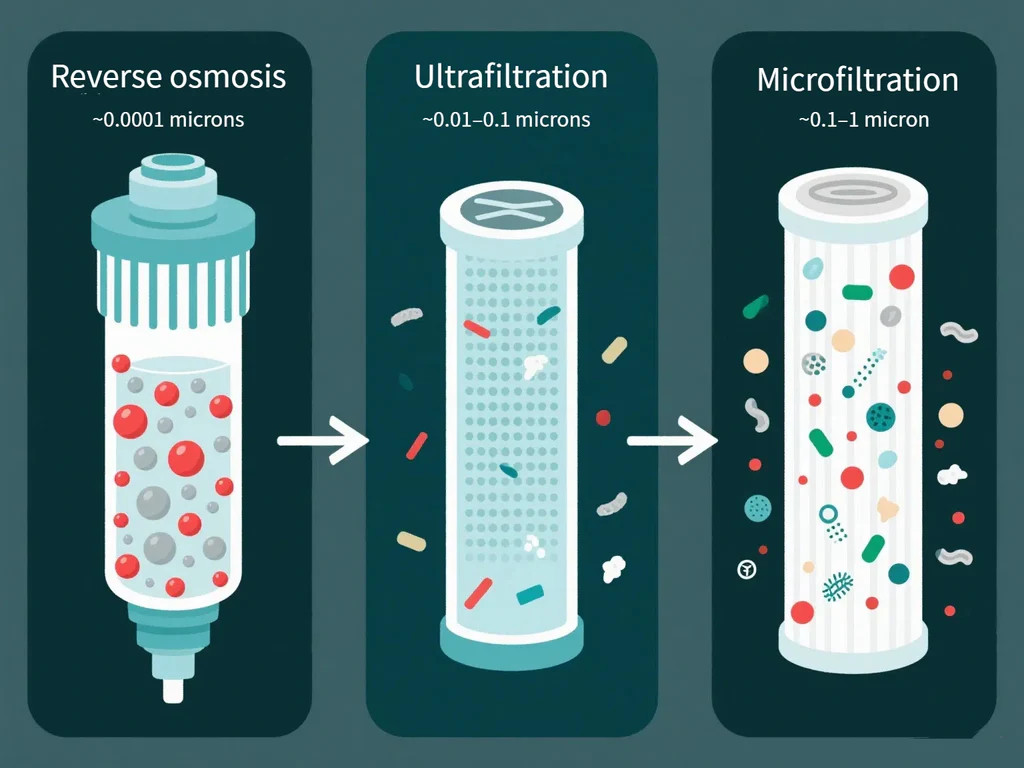
That is why microplastic filtration water systems are so important. These modern filters use microscopic mesh traps that stop particles thousands of times smaller than a human hair.
Upgrading your home water supply provides vital health and home benefits:
- Removes 99.9% of Microplastics: Traps microscopic synthetic fibers before they reach your drinking glass.
- Improves Water Taste and Clarity: Removes chemical odors, chlorine, and floating particles naturally.
- Protects Plumbing Fixtures: Prevents microscopic sediment build-up inside water heaters and coffee makers.
Filtering drinking water gives families peace of mind every single day. Read more about home health tech in our Master Guide to Pure Clean Water Systems.
3 Core Technologies Behind Advanced Water Filters
Removing microscopic plastic pieces requires multi-stage filtration layers working together. Engineers rely on three main design methods when manufacturing microplastic filtration water systems.
1. Multi-Layer Graphene Membrane Filters
First, ultra-thin graphene sheets with microscopic pores block synthetic particles while letting clean liquid molecules pass through effortlessly.
2. Electro-Coagulation Separation Units
Second, low-voltage electrical charges cause tiny floating plastic specks to clump together into larger pieces that are easily caught by standard physical screens. To review official water quality standards, check out the US EPA Ground Water and Drinking Water portal (External DoFollow Link).
3. Carbon Block Micro-Pore Systems
Third, dense coconut-shell carbon blocks absorb chemical residues while physically trapping micro-particles inside tiny twisting pathways.
Adding high-density filtration protects your household from hidden water impurities.
Conclusion: Protecting Home Drinking Water Quality
Municipal water plants struggle to catch tiny plastic particles washing through city pipes into homes. Multi-layer home filtration units trap microscopic synthetic fibers right at the tap. Ultimately, investing in microplastic filtration water systems is the best way to secure clean, safe drinking water for your family.