New Smartphone Launches: Professional Leica Optics and High-Density Silicon-Carbon Batteries
The international mobile hardware market is moving through an incredibly intense deployment phase this season. Because advanced computational photography applications require deep color optimization, product engineering teams are completely transforming lens configurations. Specifically, global tech brands are moving away from stock, uncalibrated sensor designs. Instead, they are rolling out premium camera setups built in collaboration with historic optics houses. Consequently, tracking these massive photography breakthroughs sits right at the Top of the priority list for any visual creator. Reviewing these new smartphone launches helps active professionals identify affordable flagship-grade hardware before retail stores adjust their seasonal inventory.
In this comprehensive hardware review, we analyze the newest performance-oriented camera smartphone entering the consumer tech space. Furthermore, we break down how these high-density battery layouts maintain compact form factors under demanding daily usage. If you want to compare these newly announced devices with previous mobile models, you can explore our detailed [suspicious link removed] for complete structural context. Thus, let us review the primary internal advancements leading the consumer tech market this week.
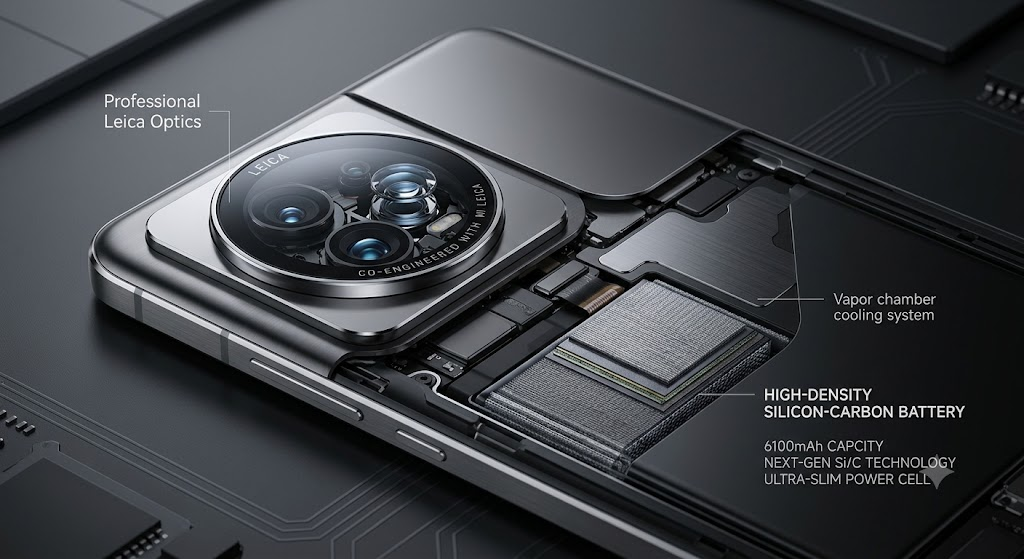
The Xiaomi 17T: Light Fusion 800 Primary Sensors Meet 6,500mAh High-Density Batteries
The most prominent engineering milestone discussed across recent waves of new smartphone launches centers on Xiaomi’s latest imaging-focused handset. The brand has officially announced the retail release of its highly anticipated Xiaomi 17T smartphone. This unique device targets mobile journalists, travel bloggers, and street photographers who require exceptional image clarity alongside long operational battery lifespans.
In the Middle of engineering this photography-centric smartphone, development teams focused heavily on expanding power capacity without creating an awkward, heavy chassis. They successfully achieved this goal by implementing a massive 6,500mAh silicon-carbon composite battery cell inside the body. Consequently, everyday users can expect up to two full days of intensive media creation on a single charge cycle.
The standout technical milestones built into this new phone include:
- Leica Triple Camera System: A custom 50MP Light Fusion primary sensor operates alongside a dedicated 50MP periscope telephoto lens seamlessly.
- Dimensity 8500-Ultra Chipset: An advanced high-efficiency processing core handles demanding photo editing applications with zero latency.
- 67W Rapid Power Delivery: An optimized fast-charging setup provides rapid battery replenishment alongside 22.5W reverse wireless charging options.
Additionally, the phone features a beautiful 6.59-inch AMOLED display panel protected by Corning Gorilla Glass 7i shields. For exact regional availability metrics and countdown notification details, you can visit the official Xiaomi India Hub. The smartphone is currently available across all major digital retail networks.
Optical Engineering Benchmarks: Comparing Premium Sensor Deployments
While packing large physical camera arrays inside slim frames provides incredible image clarity, protecting the external glass elements remains essential for hardware durability. To protect device lifecycles, manufacturing teams are incorporating hardened protective layers alongside advanced image stabilization software.
A side-by-side performance review highlights exactly why hardware designers are integrating custom lenses alongside high-density batteries:
| Smartphone Performance Metric | Legacy Mid-Range Handsets | Next-Gen Xiaomi 17T Layout |
| Camera Color Calibration | Standard Digital Software Tuning | Certified Leica Authentic Color Tuning |
| Battery Composition Technology | Traditional Thick Lithium-Ion Units | Compact High-Density Silicon-Carbon Cells |
| Display Protection Glass | Standard Tempered Screen Glass | Advanced Corning Gorilla Glass 7i Layers |
| Primary Chipset Processing | Basic Low-Tier System Processing | MediaTek Dimensity 8500-Ultra Engine |
According to independent technology laboratory testing data, utilizing these custom silicon-carbon batteries prevents excessive device bulk completely. This structural progress ensures that the device maintains a slim, comfortable profile while delivering massive power capabilities. Consequently, mobile users can enjoy professional-grade photography tools while maintaining dependable multi-day battery performance over extended travel journeys.
Ecosystem Synergy: Designing Fluid Multi-Device Media Networks
To ensure that digital creators benefit fully from these new smartphone launches, operating system developers are building shared network ecosystems. For instance, modern studio environments are utilizing highly responsive wireless channels. These pathways allow long-endurance smartphones, portable wireless microphones, and laptops to interact with zero configuration lag.
Major media groups have started deploying unified software platforms. These systems sync device battery metrics and media folders across surrounding hardware setups automatically. By tracking local device positions in real time, these platforms allow an editor to move an active video timeline from a smartphone to a main laptop terminal instantly. Thus, rendering work continues without manual file conversions.
Simultaneously, manufacturing facilities are incorporating smart automated sharing protocols. Under this setup, primary computers optimize the data processing pathways of surrounding mobile devices. Therefore, this dynamic load balancing allows lightweight smartphones to execute intense media edits locally by drawing on the computational strength of a nearby main workstation.
Final Conclusion: Embracing Professional Imaging Utility in Everyday Devices
As we bring this extensive consumer hardware review to a Bottom, the overall developmental trajectory of the mobile tech market is completely unmistakable. The continuous arrival of new smartphone launches demonstrates clearly that real daily utility relies on a balanced relationship between advanced optical partnerships and high-density battery engineering.
Whether your personal setup is built around multi-device software networks or professional travel tools, picking components that sync together smoothly is highly beneficial. If you want to check how these modern camera layouts compare with older smartphone designs, be sure to read our detailed [suspicious link removed]. Ultimately, investing in a secure, Leica-tuned mobile platform will keep your daily workflows moving at maximum speeds in this highly connected era!