
Urban Sparrow Decline India: How Modern Cities Silenced a Beloved Morning Song
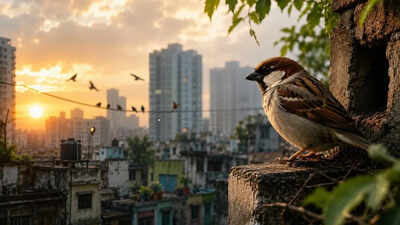
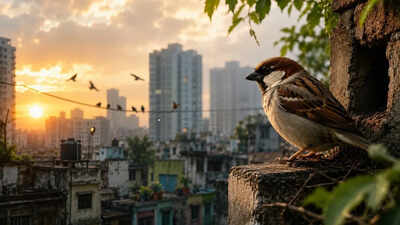
The first sight of a new dawn rolls in with deeply evocative scenery across India. Morning dew sits fresh on green leaves. Furthermore, the early temperature offers a brief respite from the upcoming waves of oven-like heat. The sky painted in a thousand different shades of yellow and orange creates a beautiful canopy.
However, something is fundamentally wrong with our modern mornings. The sweet song of birds no longer serves as the natural soundtrack to our dawn. Instead, honking cars have completely replaced them in almost all urban metropolitan cities. This sudden silence leaves a loud, haunting reminder of a changing environment.
Currently, this ecological crisis sits right at the Top of environmental discussions across the nation. The common house sparrow has not disappeared entirely from our geography. Rather, rapid urbanization has aggressively pushed it out of our balconies, our memories, and our neighborhoods. To solve the urban sparrow decline India crisis, we must understand why these birds are vanishing from our concrete jungles.
The Architecture of Absence: How Buildings Block Birds
If you walk through the narrow lanes of older cities, you can still find pockets of thriving bird life. Sparrows still feel comfortable calling these traditional spaces home. However, as modern skyscrapers pollute our metropolitan skylines, trees and natural parks disappear rapidly. Consequently, the sparrow exits because it no longer recognizes its own habitat.
Modern architecture plays a highly decisive role in this mass exit. Older traditional homes featured open ventilators, tiled roofs, and small wooden gaps. These old structures offered perfect, safe, and natural nesting spaces for small birds.
Today’s glass-and-concrete structures remain completely sealed, smooth, and inhospitable. Developers are replacing spacious buildings with tight, matchbox-style flats. Similarly, manicured wrought iron fences replace natural hedges. Residents pave over private gardens completely, leaving absolutely no bare mud for sparrows to take necessary dust baths. Furthermore, criss-crossing cable wires and electromagnetic waves from cellphone towers injure the birds, causing severe reproductive issues.
The Food and Water Crisis in Sanitized Neighborhoods
The ongoing resource shortage in modern colonies is equally telling. Sparrows rely heavily on a steady diet of seeds, wild grains, and small insects.
-
Insect Consumption: On average, a single sparrow eats about 1,000 caterpillars every year.
-
Pesticide Damage: Increased chemical pesticide use has drastically reduced urban insect populations.
-
Chick Starvation: Adult sparrows need these critical insects to feed their growing young chicks.
Clean, sanitized cityscapes look visually appealing to human eyes but remove vital survival resources. Even the daily water equation has changed for urban wildlife. In older neighborhoods, leaking pipes, open drains, and uncovered buckets provided easy drinking sources. In new wealthy communities, engineers contain, control, and clean all water lines. This architecture improves human hygiene but leaves birds completely dehydrated.
Hidden Killers and Aggressive Competitors
In the Middle of these architectural hurdles, hidden chemical factors worsen the situation. The introduction of unleaded petrol may be playing a toxic role in bird mortality. Modern unleaded fuel uses Methyl Tertiary Butyl Ether (MTBE) as a standard anti-knocking agent. The byproducts of this combustion kill off small city insects rapidly. While adult sparrows can survive on grains alone, their young chicks perish without insect protein.
| Bird Species | Urban Adaptation Strategy | Impact on Sparrows |
| Pigeons | Compete aggressively for nesting space | Damage sparrow nests directly |
| Crows | Thrive easily on open human garbage | Displace sparrows from urban areas |
| Starlings | Maintain highly flexible urban diets | Outcompete sparrows for food resources |
Increasing urban predation by domestic cats makes daily survival even harder for small flocks. Therefore, a clear sociological pattern emerges across modern India. Sparrows still survive in poorer, crowded, mixed-use neighborhoods where people work and trade in open lanes. Conversely, they have vanished completely from wealthy, gated, glass-facade communities.
Why the Humble Sparrow Matters to Human Health
Sparrows are not just pleasant neighbors to watch from your window. They play a highly critical, protective role within our broader urban ecosystem. By consuming thousands of insects daily, they control dangerous pests naturally and reduce our reliance on chemical sprays.
Most importantly, new medical studies indicate that losing bird diversity contributes directly to disease outbreaks among humans. High bird diversity protects communities from dangerous vector-borne infections like the West Nile Virus. When a city supports more birds, mosquitoes bite birds proportionately more than humans. This natural shield reduces the chances of humans catching or spreading dangerous viruses.
Grassroots Movements Striking Back Across India
Fortunately, several dedicated grassroots organizations are proving that targeted human interventions can achieve incredible revival results.
In Hyderabad, the Animal Warriors Conservation Society launched the ‘Bring Back Sparrow’ campaign back in 2016. They realized that if natural nesting spaces disappear, humans must build artificial ones. The group has successfully installed more than 1,600 custom nest boxes across areas like Gachibowli and Ameenpur. They also distribute over 1,000 free boxes annually to schools and households. Thanks to this effort, nearly 20,000 sparrows have returned to the region.
Similarly, Mumbai’s Box Initiative distributes wooden nesting structures and grain feeders to local neighborhoods. In Chennai, the Koodugal Trust involves energetic school children in building small bird shelters. Between 2020 and 2024, these students constructed more than 10,000 functional nests, noticeably increasing the local bird count.
Even national policymakers are joining the movement individually. Rajya Sabha member Brij Lal has installed 50 custom nests around his official residence. Every year, sparrows arrive safely to lay eggs, earning him praise from Prime Minister Narendra Modi.
Small Daily Changes to Invite Nature Back
At the Bottom of this environmental challenge, the ultimate solution requires restraint rather than massive financial budgets. We must rethink the spaces we build daily. You do not need a grand government scheme to save a local sparrow flock.
You can make a massive difference by leaving a small bowl of clean water on your balcony daily. Additionally, keep a small corner of your private garden completely unmanicured and wild. Choose native shrubs over exotic ornamental plants when landscaping your home. Plant dense undergrowth so birds and butterflies can hide safely from predators.
The house sparrow has not flown too far away from our lives. It is simply waiting patiently for us to grant it some breathing room. We cannot silence city traffic completely, but we can easily make space for the beautiful morning chirping once again.
Please ensure you follow BharatNewsX for more exclusive environmental features, wildlife updates, and green living tips. Together, we can restore the natural balance of our urban ecosystems.