
Yamuna River Clean Up Project: Amit Shah Directs Inter-State Coalition and Tighter Monitoring
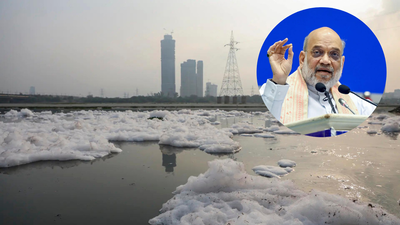
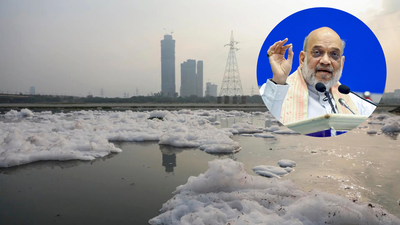
The battle against pollution in northern India’s most critical waterway is receiving a massive administrative push. Union Home Minister Amit Shah has officially announced a strict, aggressive timeline to accelerate the restoration of the heavily polluted Yamuna river. Chairing a high-level review meeting, Shah emphasized that a pollution-free river remains a top national priority for the government. At BharatNewsX, we break down the newly mandated timelines, massive sewage infrastructure upgrades, and the bold waste-to-energy conversion plans.
Currently, this comprehensive administrative directive sits right at the Top of environmental and political news across India. Government agencies have long faced criticism for sluggish progress and delayed execution regarding river cleanliness. To eliminate these bureaucratic bottlenecks, the Home Minister is enforcing an unprecedented, hyper-frequent oversight mechanism. Consequently, this shift signals a tighter monitoring framework aimed at forcing visible and measurable results on the ground before the monsoon seasons arrive.
59 New STPs and a Unified Inter-State Front
A major roadblock in previous restoration attempts involved fragmented execution by individual local states. To fix this systemic issue, Shah explicitly ordered the governments of Delhi, Haryana, and Uttar Pradesh to stop independent efforts immediately. Instead, these neighboring regions must now operate as a single cohesive unit under a unified master action plan.
The upcoming infrastructure expansion will significantly boost wastewater treatment capacity across the region:
-
Existing Network: Currently, 129 sewage treatment plants (STPs) actively operate across the three target states.
-
New Infrastructure: Authorities will construct 59 additional advanced STPs across key pollution hotspots.
-
Project Deadline: The central government expects full completion of these new treatment facilities by the end of 2027.
-
Strict Oversight: Officials must prepare detailed individual action plans for each plant with fixed long-term maintenance contracts.
Converting Dairy Waste into Clean Bio-Energy
In the Middle of tackling major pollution sources, the committee highlighted the massive environmental damage caused by untreated dairy waste. Hundreds of commercial dairies operating near the river banks routinely dump cattle refuse directly into connected city drains. To stop this toxic practice, the Municipal Corporation of Delhi (MCD) will sign a formal Memorandum of Understanding (MoU) with the National Dairy Development Board (NDDB).
| Mitigation Project | Current Progress Status | Final Operational Strategy |
| Dairy Waste Diversion | MoU drafting phase active | Converts raw dung into organic manure and compressed biogas |
| Pre-Monsoon Desilting | 97% of 2.857 million metric tonnes cleared | Utilizes extracted silt in commercial construction projects |
| Industrial Effluent Check | Strict inspection routine initiated | Fines polluting factory units failing toxic discharge norms |
Furthermore, the Home Minister reviewed critical desilting operations inside the massive network of stormwater drains flowing into the river. The Ministry of Home Affairs confirmed that workers have already successfully cleared the vast majority of the targeted silt layout this year. Workers will finalize the remaining clearance operations immediately to prevent rain blockages. Shah explicitly directed officials to use the extracted river silt in active highway construction and brick manufacturing projects. This clever recycling loop effectively prevents heavy rains from washing the debris back into the main river channel.
The BharatNewsX Verdict: Accountability is Key
As we reach the Bottom of our exclusive environmental breakdown, the true success of this plan hinges entirely on execution. The Yamuna river clean up project finally has the strict political teeth it desperately needed for years. By forcing a mandatory 20-day review cycle and uniting three distinct state governments under one banner, Amit Shah is eliminating excuses. If authorities deploy the 59 new STPs on schedule and successfully monetize dairy waste, the historic river might finally see a true ecological revival.
Make sure to follow BharatNewsX for weekly environmental progress trackers, river quality ground reports, and breaking policy updates. We bring you the sharpest national news to keep you fully ahead of the curve in 2026!