Neuromorphic Computing Hardware Architecture: 5 Best Ways to Build Smarter Brain-Like Chips
 neuromorphic computing hardware architecture
Table of Contents
- How Brain-Inspired Circuits Overcome Silicon Speed Limits
- Key Design Pillars of Next-Generation Synaptic Electronics
- Deploying On-Chip Memristor Arrays
- Event-Driven Low-Power Processing
- Asynchronous Data Routing Pathways
- Conclusion: Shifting the Future of Deep Learning
Neuromorphic computing hardware architecture is the newest way tech teams are designing microchips to process smart data instantly. Right now, standard business servers are hitting a massive wall when it comes to running heavy artificial intelligence tasks. Traditional silicon chips spend way too much time moving data back and forth between the memory banks and the main processor. This continuous data traveling creates an annoying delay and wastes a tremendous amount of electricity. To fix this massive bottleneck, computer designers are completely changing how physical circuits are built. They are copying the natural wiring of the human brain to create incredibly fast, power-saving computing clusters.
This innovative physical layout represents a major shift in modern engineering. By building digital circuits that mirror living neural networks, systems can run deep learning math formulas without breaking a sweat.
How Brain-Inspired Circuits Overcome Silicon Speed Limits
Old-school computers use a setup where the processor and the memory are kept in separate areas. Every single time the computer wants to solve a problem, it has to fetch the data, read it, and send it back. This continuous back-and-forth travel acts like a massive traffic jam on a busy highway.
Human brains do not work this way. Your brain stores memories and processes thoughts in the exact same spot using interconnected neurons and synapses. This is why a human can recognize a friendly face instantly using less power than a dim lightbulb.
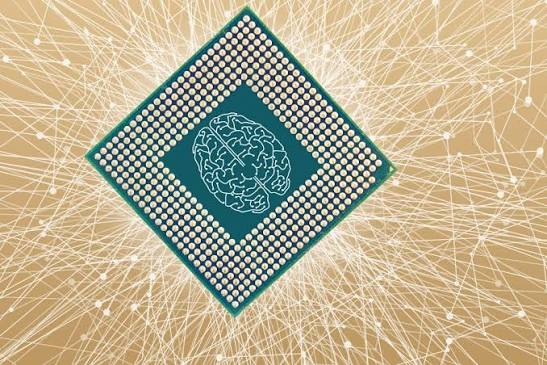
When engineers use a neuromorphic computing hardware architecture, they put memory and processing power together into a single, unified circuit. For example:
- Smart security cameras can read complex video feeds locally without sending data to a cloud.
- Self-driving cars can spot road hazards in microseconds with zero network lag.
Because this design matches the natural efficiency of the human brain, businesses are prioritizing this technology to scale their AI operations smoothly. You can read more about setting up high-performance infrastructure networks in our Master Guide to Server Hardware Tuning.
Key Design Pillars of Next-Generation Synaptic Electronics
Moving from basic chip concepts to building working motherboards requires deep engineering focus. Technicians focus on three core design steps when deploying a neuromorphic computing hardware architecture to ensure maximum performance and system reliability.
1. Deploying On-Chip Memristor Arrays
First, engineers replace standard transistors with special components called memristors. These tiny components can remember their exact electrical state even after the power is turned completely off. By adjusting the electrical flow through these arrays, the chip can store multiple values at once instead of just standard zeros and ones. This lets the hardware save complex data values right inside the processing wire itself, matching how a biological brain functions.
2. Event-Driven Low-Power Processing
Second, normal computer chips stay completely turned on and use up energy even when they are not doing any work. Brain-inspired chips use an “event-driven” model instead. This means individual sections of the chip stay completely quiet and asleep until a specific piece of data wakes them up. This smart setup cuts down total electricity usage by up to 90%, making it perfect for massive data center installations. To see how these power-saving chips are being tested today, you can explore the official Intel Labs Neuromorphic Research portal (External DoFollow Link).
3. Asynchronous Data Routing Pathways
Third, instead of relying on a central master clock to keep every part of the chip ticking at the exact same time, these circuits work independently. Different areas of the chip pass data packets back and forth whenever they are ready. This free-flowing, independent communication setup keeps the processor from getting stuck waiting for slower tasks to finish.
Integrating these smart processors with your current corporate networks allows operations teams to analyze complex real-time trends smoothly. This helps your tech stack stay perfectly prepared for future software updates.
Conclusion: Shifting the Future of Deep Learning
As manufacturing plants improve their methods, the cost of building these brain-like chips will drop significantly. By packing memory and processing power into one tight space, this technology removes old data delays entirely. Ultimately, picking a modern neuromorphic computing hardware architecture ensures your business stays fast, efficient, and ready for the next wave of AI growth.