Perovskite Solar Cell Manufacturing: 3 Best Ways to Scale Efficient Green Energy
 Perovskite Solar Cell Manufacturing
Table of Contents
- The Chemical Secrets Behind Next-Generation Solar Power
- Core Engineering Steps for Industrial-Scale Production
- Roll-to-Roll Ink Coating Systems
- Moisture-Proof Layer Encapsulation
- Silicon Tandem Integration Layouts
- Conclusion: Powering the Clean Energy Revolution
Perovskite solar cell manufacturing is the hottest topic in the green energy sector today. For decades, traditional solar panels have relied on thick, heavy sheets of silicon to convert sunlight into usable electricity. While silicon panels work well, they are expensive to make, heavy to move, and have nearly reached their maximum efficiency limits. This means clean energy developers are finding it harder to squeeze more power out of the same amount of rooftop space. To break through these limits, green factories are shifting their attention to a brand-new material crystal structure that can catch sunlight much better than traditional silicon.
This new production model is changing how we harvest clean power. By printing these thin, light crystal layers onto flexible surfaces, companies can put solar panels on almost any surface imaginable.
The Chemical Secrets Behind Next-Generation Solar Power
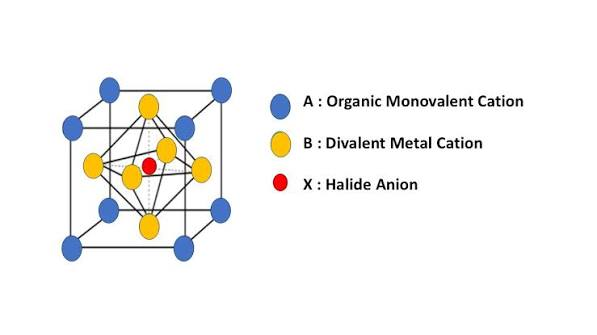
This new solar technology works by using a special man-made mineral layer that mimics a natural crystal structure. The neat thing about this material is that it can absorb different colors of light that traditional silicon panels completely miss, such as blue and green lightwaves. This allows the panels to generate a lot more electricity even on cloudy or rainy days.
The biggest benefit of stepping up perovskite solar cell manufacturing is how incredibly thin the material can be. Instead of using thick, brittle glass panels, factories can dissolve these minerals into a special liquid ink. For example:
- The solar ink can be sprayed onto flexible plastic sheets to make bendable solar panels.
- It can be painted directly onto building windows to make see-through power-generating glass.
- It can be wrapped around curved car roofs to charge electric vehicles while they drive.
Because the basic raw materials are simple and cheap to buy, this process can drastically lower the cost of solar power installations worldwide. You can explore how clean tech fits into your commercial building plans in our Commercial Property Energy Checklist.
Core Engineering Steps for Industrial-Scale Production
Moving from a small university lab experiment to a massive, fast-moving factory line requires smart production planning. Factory owners focus on three main steps during perovskite solar cell manufacturing to keep the panels durable and long-lasting.
1. Roll-to-Roll Ink Coating Systems
First, instead of building individual panels one-by-one, modern factories use a continuous printing press system similar to how newspapers are made. Giant rolls of flexible plastic slide under high-speed spray nozzles that lay down perfect, micro-thin layers of the solar ink. This continuous rolling method allows factories to produce miles of solar sheets every single day, keeping production costs incredibly low.
2. Moisture-Proof Layer Encapsulation
Second, these crystal structures can break down quickly if they get wet or exposed to heavy outdoor humidity. To fix this issue, factories install a multi-layer protective shield over the solar film. This shield blocks out all water droplets and oxygen, ensuring the panels can sit on a roof for over twenty years without losing power. To view the latest durability test results on these materials, you can check out the National Renewable Energy Laboratory research center.
3. Silicon Tandem Integration Layouts
Third, rather than replacing old silicon panels completely, factories are stacking both materials together to create “tandem” cells. The top layer catches the high-energy blue light, while the bottom silicon layer catches the deeper red light. This double-layer design boosts total panel efficiency way past old industry limits.
Integrating these clean energy installations with your business property helps lower your monthly utility bills while cutting your corporate carbon footprint. It keeps your operational costs predictable and stable.
Conclusion: Powering the Clean Energy Revolution
As more printing factories adopt these advanced mineral ink systems, the price of clean electricity will plummet. By making panels lighter, cheaper, and more efficient, this technology removes the old financial barriers to going green. Ultimately, investing in perovskite solar cell manufacturing is a brilliant way to secure an endless supply of affordable, clean power for our future.